



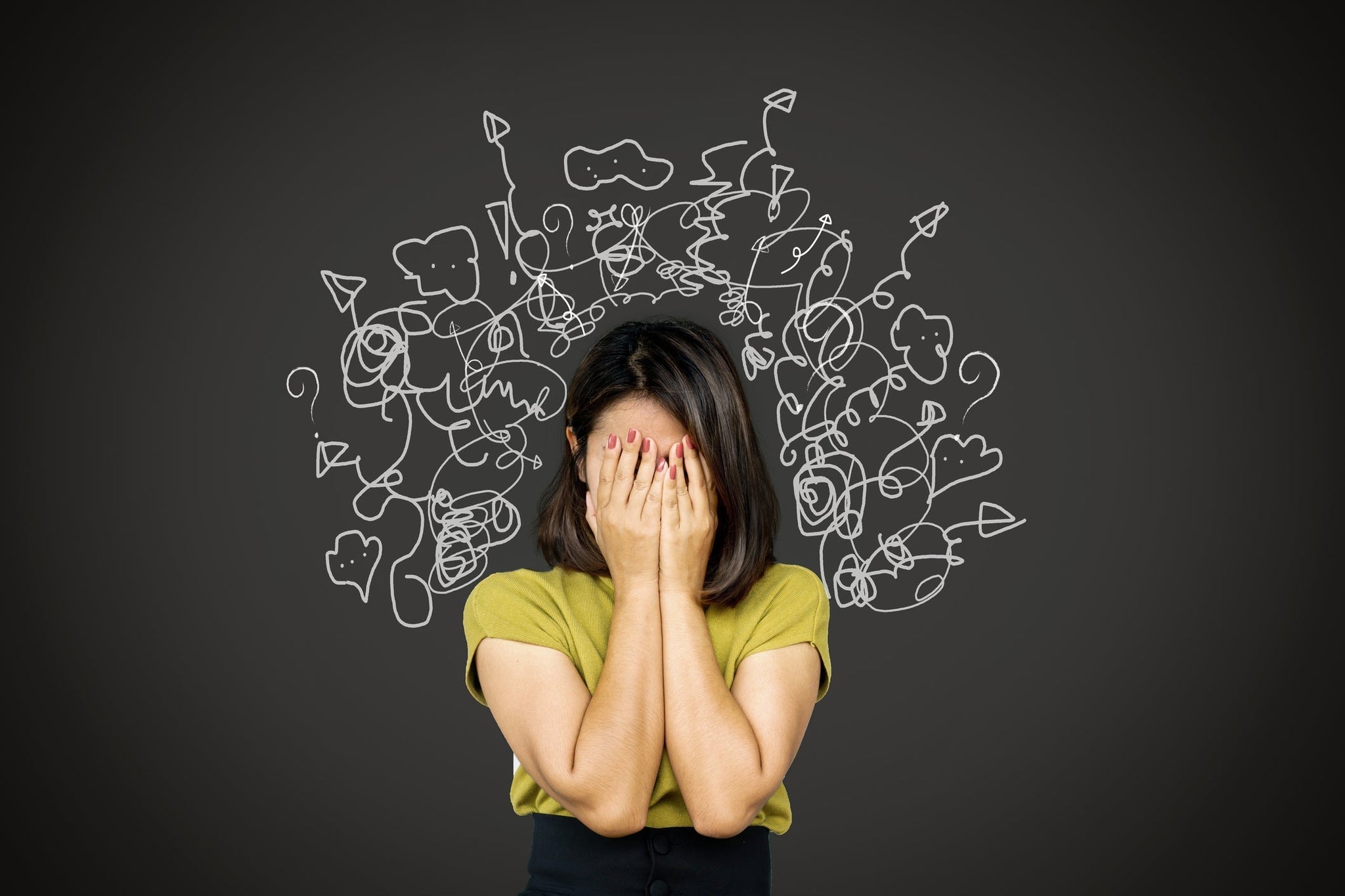
You know how it feels…
You feel like you’re jumping out of your skin. Your heart may race or your thoughts swirl. Maybe you also get a stomachache or a headache. You might start crying or boiling with anger.
All of these signs are stress responses. And they can ruin your day… or last even longer.
But what’s behind those symptoms? Is it stress or anxiety?
Either way, you just want to feel better, to regain a sense of calm control.
Luckily, there’s one way to manage both. And it’s probably not what you think.
Quick Answer: Stress and anxiety are closely related but not the same. Stress comes from an outside trigger (a stressor) and usually fades once that trigger is gone. Anxiety can persist without a clear trigger, with worry and circling thoughts that linger. Their symptoms are nearly identical, from GI upset and headaches to trouble sleeping and racing thoughts. One natural way to support your body through both is by caring for your gut. Beneficial probiotic bacteria help regulate your stress response, and a clinically studied strain, Bifidobacterium longum 1714, plus calming B vitamins (B6, B9, and B12), can help your mind and body wind down.
What’s the Difference Between Stress and Anxiety?
Stress comes from an outside trigger and usually fades once that trigger is gone. Anxiety can linger without a clear trigger, with worry and circling thoughts. The two are closely related and their symptoms feel nearly identical.
First, it’s worth understanding the differences between stress and anxiety.
The two are closely related, and sometimes intertwined. Anxiety can set off a stress response in your body. And stress can trigger feelings of anxiety.
The two may feel the same, but there is a key difference.
Stress comes from outside stressors, things like deadlines and bills and toddler tantrums. There’s a specific trigger present that causes the stress reaction.
Sometimes it’s super quick – like when you’re stressed by a bill and then you pay it. Sometimes it’s a longer-term stressor, like an illness. And when that stressor disappears, so does your stress.
Anxiety doesn’t always start with an identifiable stressor… and it can continue long after the stressor is gone. It’s characterized by unease, worry, and circling thoughts that don’t connect to a currently active stressor.
Here’s an example: you got a bill that you can’t afford to pay right now. And while that bill sits there unpaid, you worry about how it will affect your credit score. You’re afraid it will be sent to collections and you’ll get hounded by nasty bill collectors. You might worry about being in debt or eventually facing bankruptcy. But then you get a paycheck and pay the bill.
If you were experiencing stress, it would end there once the bill was paid. But with anxiety, the worrisome thoughts keep coming.
You may not even realize why you’re worried. And this feeling can happen even if you’re never late with a bill but you have a pervasive fear of going broke that doesn’t go away. It’s always there in the back of your mind, and sometimes takes centerstage for no clear reason. That’s anxiety.
And even though stress and anxiety are technically different, their symptoms are virtually identical.
What Happens During Your Body’s Stress Response?
When you face a stressor or feel anxious, your body shifts into fight-flight-freeze mode and floods you with hormones like cortisol and adrenaline. That response can cause symptoms from GI upset and headaches to trouble sleeping and intense moods.
When you face a stressor or experience anxiety, your body’s stress response kicks in to protect you. It goes into classic fight-flight-freeze mode. And you get flooded with hormones like cortisol and adrenaline that help you escape from danger.
That stress response can cause a wide variety of symptoms including:
- Gastrointestinal (GI) issues, from diarrhea to nausea to abdominal pain
- Difficulty falling and staying asleep
- Heart palpitations
- Headaches
- Appetite changes
- Intense moods
- Irritability
- Trouble thinking, remembering, and concentrating
- Sweating
And when you’re dealing with all of that, you just want to calm your mind and body so you can finally relax.
How Can You Calm Stress and Anxiety Naturally?
Supporting your gut is one natural approach. Beneficial probiotic bacteria help regulate your stress response, including producing calming GABA and helping manage cortisol, and a strain called Bifidobacterium longum 1714 plus B vitamins can help you wind down.
Ready for a proven way to manage stress and soothe anxiety? Look to your microbes for help.
Gut bacteria have a surprising influence on your body’s stress response. Beneficial probiotic bacteria help your body regulate even in the face of stressors, so you have a chance to shut down stress responses when you don’t need them.
Probiotic bacteria help initiate a calmer mood in several ways.
For example, they can produce a calming brain chemical called GABA that helps your mind and body wind down and decreases excess activity in your nervous system. Some probiotic bacteria can even help manage cortisol and other stress hormones so they remember to turn off when they’re supposed to.
One unique strain of probiotics called Bifidobacterium longum 1714™ has special powers when it comes to helping your mind and body stay calm. B. longum 1714™ helps your body quiet stress signals, so you have a chance to fully relax.
Studies show that this probiotic superstar helps maximize calm in many ways:
- B. longum 1714™ decreases nervous brain activity and calms negative emotions in people dealing with social stress
- It promotes clarity and focus during periods of stress
- B. longum 1714™ helps people undergoing exam stress maintain healthy sleep quality and duration
- It manages stress responses and supports clear memory
And then there’s the B-Team: three essential B vitamins that work together to help your brain feel relaxed and clear.
Your nervous system needs vitamins B6, B9, and B12 to function the way it’s supposed to – and that includes calming down. These Bs play a key role in producing feel-good brain chemicals like GABA and serotonin.
| Stress | Anxiety | |
|---|---|---|
| Trigger | An identifiable outside stressor | Often no clear or active trigger |
| How long it lasts | Usually ends when the stressor is gone | Can continue after the stressor is gone |
| Core experience | Reaction to a specific situation | Unease, worry, and circling thoughts |
| Symptoms | GI upset, headaches, sleep issues, intense moods | Virtually identical to stress symptoms |
Frequently Asked Questions About Stress and Anxiety
What is the difference between stress and anxiety?
Stress is a reaction to an identifiable outside trigger and usually fades once that trigger is gone. Anxiety can persist without a clear trigger, with worry and circling thoughts that linger even after a situation resolves.
Can stress and anxiety feel the same?
Yes. Even though they are technically different, their symptoms are virtually identical, including GI issues, trouble sleeping, heart palpitations, headaches, intense moods, irritability, and difficulty concentrating.
How does gut health affect stress and anxiety?
Gut bacteria have a surprising influence on your body's stress response. Beneficial probiotic bacteria can produce calming chemicals like GABA and help regulate stress hormones such as cortisol so they turn off when they are supposed to.
What is Bifidobacterium longum 1714?
It is a clinically studied probiotic strain shown to help maximize calm, including decreasing nervous brain activity during social stress, supporting clarity and focus, helping maintain healthy sleep during exam stress, and supporting memory.
Which B vitamins help with calm?
Vitamins B6, B9, and B12 support a healthy nervous system and play a key role in producing feel-good brain chemicals like GABA and serotonin, helping your brain feel relaxed and clear.
Just Thrive Emotional Health Products

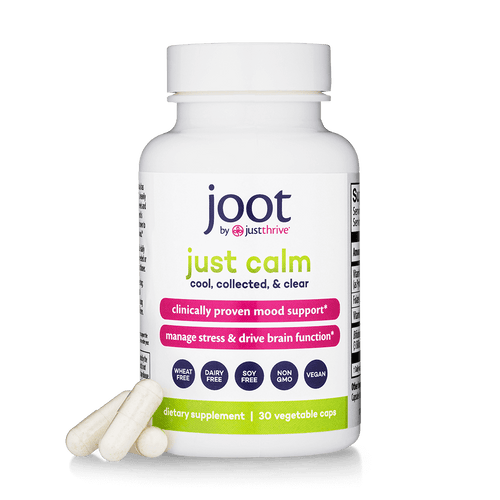
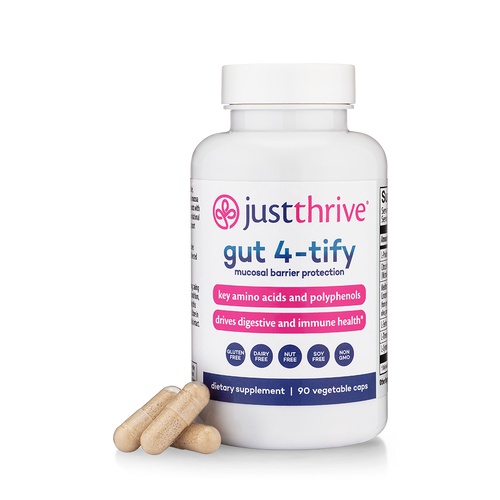

Relax and Reboot with Just Calm
You can help your body mount a healthy stress response with Just Calm, a relaxing new formula that contains clinically studied Bifidobacterium longum 1714™ and a stress-soothing blend of B vitamins.
Numerous studies have shown that B. longum 1714 ™ can be an absolute powerhouse in the fight for your mental well-being because it:
- Quickly promotes a healthy response to everyday stress
- Encourages a steady, serene, and balanced mood
- Drives mental clarity, focus, and alertness
- And even supports great energy and optimal sleep
You can’t avoid stressors, but you can help your mind and body cope with them effectively with support from Just Calm.
Give yourself a stress break today with Just Calm.


