



Perimenopause is a time of chaos. It upends your body, your emotions, and your whole life.
It’s like you’re on a hormonal rollercoaster, and you can never tell when the next drop is coming. One day you’re feeling calm and steady. The next day you're feeling irritable and anxious and much too hot.
You start gaining weight where you never have before… even though you’re not eating more. You can’t sleep at night. And your libido seems to have just disappeared. Sometimes.
All of that is “normal” for someone going through perimenopause. But it doesn’t have to be.
You can support stable hormone levels, naturally. By paying more attention to your gut.
Quick Answer: Perimenopause is the transition toward menopause, often starting in the mid-to-late 40s, when the ovaries gradually slow estrogen production and hormone levels fluctuate. Those swings can bring symptoms like hot flashes, mood changes, sleep trouble, and weight gain. Your gut plays a surprising role through the estrobolome, a group of gut bacteria that help regulate circulating estrogen. When the gut microbiome falls out of balance, estrogen management can falter and symptoms can intensify. Supporting a healthy, balanced gut can help. Five simple steps include prioritizing polyphenols, avoiding endocrine-disrupting chemicals, exercising regularly, managing stress, and keeping the microbiome balanced with spore-based probiotics and prebiotic fiber.
What Exactly Happens in Perimenopause?
In perimenopause, usually starting in the mid-to-late 40s, the ovaries gradually slow estrogen production and hormone levels fluctuate. Those swings can cause irregular periods and a range of symptoms, from hot flashes and mood changes to sleep trouble and weight gain.
Sometime after age 30, usually in the mid to late 40s, women’s bodies start transitioning from childbearing to menopause. That period is called perimenopause, and it can last anywhere from one year to ten, with the overall average being four years.
During that time, your ovaries start to slow down estrogen production. Hormone levels can start to bounce around with no rhyme or reason. They can spike up or dip down, leading to that perimenopausal chaos.[1]
Those wild fluctuations can cause a lot of symptoms. Your periods start to become irregular and erratic. And you may begin to suffer from a wide range of perimenopausal symptoms including:[2]
- Low sex drive
- Vaginal dryness
- Night sweats
- Hot flashes
- Mood swings
- Depression
- Anxiety
- Frequent urination
- Insomnia
- Weight gain, especially around your belly
- Intensified PMS symptoms
While all of this may sound overwhelming, you don’t have to simply surrender to perimenopausal woes. By understanding how estrogen is managed in the body, you’ll be better equipped to deal with this important transition… Which leads us to the estrobolome.[3]
 Want to listen instead of read? CLICK HERE
How Does Your Estrobolome Affect Hormone Balance?
The estrobolome is a group of gut bacteria that help regulate the estrogen circulating in your body by processing and recycling it. When the gut microbiome is out of balance, this estrogen management system works less effectively, which can intensify hormone swings.
Your body has a built-in estrogen management system called the estrobolome. Your estrobolome is a special group of bacteria that’s a part of your gut microbiome. Those bacteria regulate the circulating estrogen in your body.[4]
When estrogen reaches the estrobolome, its bacteria produce an enzyme called beta-glucuronidase to break down the estrogen and recycle it. Then it converts some of that inactive estrogen to active free estrogen and sends it back into circulation, while the rest gets excreted.[5] This system is supposed to keep your estrogen in balance, making sure your body has the exact amount it needs.
But proper estrobolome function depends on the overall health of your gut microbiome. And when that falls out of balance, which is very common during perimenopause, that estrogen management system stops working effectively. And that leaves you with major hormone fluctuations, along with distressing perimenopause symptoms.[6]
How Does Your Gut Microbiome Affect the Estrobolome?
Your estrobolome lives within your gut microbiome, so its balance depends on a healthy gut. When pathogens dominate (a state called dysbiosis), estrogen processing can be thrown off, which can feed a cycle of falling estrogen and further gut imbalance.
Your gut microbiome, the trillions of bacteria in your gut, is home to your estrobolome. When your total gut microbiome is healthy and well-balanced, a diverse population of beneficial probiotic bacteria vastly outnumber harmful pathogenic bacteria. Those probiotic bacteria affect every system in your body, and that includes handling estrogen levels through the estrobolome.[7]
The hormone-gut connection works both ways. Healthy estrogen levels help keep your gut in good shape. But, decreasing estrogen can trigger:
- Dysbiosis, a condition where pathogens dominate the gut microbiome and destabilize healthy function
- Leaky gut, where the protective gut lining becomes more permeable and lets bacteria, toxins, and other harmful substances into the bloodstream
- Slowed digestion, which can cause issues like bloating, gas, and abdominal pain
When the gut is in a state of dysbiosis, the estrobolome falls out of balance too. That disrupts your body’s ability to maintain estrogen balance by messing with beta-glucuronidase production.[6,8]
Excess beta-glucuronidase leads to excess circulating estrogen and estrogen dominance.[9] Too little beta-glucuronidase decreases circulating estrogen and causes estrogen deficiency.[6] That intensifies the hormone swings common to perimenopause and the symptoms that come along with them.
This can trap you in a vicious cycle, where falling estrogen levels trigger gut dysbiosis, and gut dysbiosis disrupts estrogen balance.[10]
That’s why maintaining a healthy estrobolome in a well-balanced gut microbiome is extra important during perimenopause. And there’s even more you can do to promote healthy hormone balance to deal with those frustrating, unpredictable, distressing perimenopause problems.

What Are 5 Simple Ways to Manage Perimenopause?
The best approach is to keep your estrobolome in healthy balance. Five simple steps can help: prioritize polyphenols, avoid endocrine-disrupting chemicals, exercise regularly, keep stress under control, and maintain a balanced gut microbiome with spore probiotics and prebiotic fiber.
The best way to ease your way through perimenopause is to do everything you can to keep your estrobolome in healthy balance. Here are 5 simple ways to support your estrobolome.
1. Prioritize polyphenols
Polyphenols are powerful plant compounds that support estrobolome balance. They can help nourish beneficial bacteria in the gut, including the estrobolome.[11] Studies show that dietary polyphenols can influence the gut microbiota, including microbes that produce β-glucuronidase, an enzyme involved in how estrogens are processed and recycled in the body.[12,8] Foods rich in polyphenols include:
- Black tea
- Dark chocolate
- Berries
- Red grapes
- Flaxseeds
- Spinach
- Brussels sprouts
- Garlic
- Walnuts
Loading up on these polyphenol-rich foods will support a healthy gut and estrobolome for better hormone balance.
2. Avoid endocrine disrupting chemicals (EDCs).
EDCs are chemicals that interfere with, block, or mimic your hormones. They can be especially disruptive to your estrobolome[13], making symptoms much worse during perimenopause.[14] EDCs they can be found in products we use every day such as:
- Cosmetics
- Personal care products (like shampoo and deodorant)
- Food packaging
- Plastics
- Pesticides
- Carpeting
- Nonstick pans
Steering clear of as many EDCs as possible will help you to maintain hormone balance. You can do that by buying organic foods, swapping out conventional personal care products and cosmetics for EWG-verified brands, and avoiding plastic when you can.
3. Exercise regularly.
Physical activity can reduce the severity of perimenopause symptoms, especially irritability, insomnia, and hot flashes.[15] Both aerobic exercise and strength training can be helpful here. Aim for at least two to three hours of exercise weekly to reap the most benefits.
4. Keep stress under control.
Stress hormones like cortisol can influence hormones like estrogen as well as disrupt your gut microbiome. That can make your perimenopause symptoms, especially the emotional ones, more intense.[16] Proven stress management techniques help your body keep cortisol under control. Try one or all of these methods to help your body manage stress more effectively:
- Yoga
- Mindful meditation
- Deep breathing
- Acupuncture
Reducing stress (when you can) and helping your body deal with stress can help alleviate symptoms of perimenopause, especially issues like anxiety and irritability.[17]
5. Keep your gut microbiome in healthy balance.
The best thing you can do to get through perimenopause as easily as possible is to support a well-balanced, diverse gut microbiome. And the best way to keep your gut microbiome in that healthy state is with spore probiotics. Unlike other types of probiotics, spore probiotics arrive in your gut 100% alive and ready to work every time. Once there, they help foster an environment where other beneficial bacteria can flourish. That includes probiotic bacteria to that promote estrobolome balance.[18]
Add in prebiotic fiber to keep that gut full of beneficial bacteria well-nourished. Prebiotics are fermentable fiber, which means that probiotic bacteria can break them down and convert them into compounds like B vitamins and antioxidants.[19] Examples of prebiotic fiber that probiotic bacteria prefer include fructooligosaccharides, xylooligosaccharides, and galactooligosaccharides.
Taking these key steps, especially making sure your gut microbiome and estrobolome stay in healthy balance, can ease your perimenopausal path.
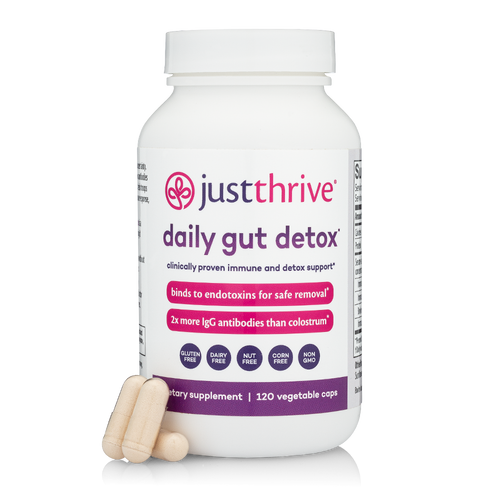
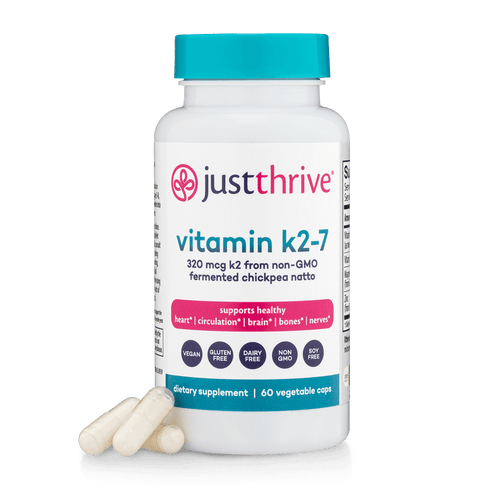
Just Thrive Core Health Products


Frequently Asked Questions About Perimenopause and Gut Health
What is perimenopause?
Perimenopause is the transition period before menopause, usually beginning in the mid-to-late 40s, when the ovaries gradually slow estrogen production. It can last anywhere from one to ten years, with about four years being average, and hormone levels often fluctuate during this time.
What are common perimenopause symptoms?
Hormone swings can bring irregular periods, hot flashes, night sweats, mood changes, anxiety, sleep trouble, low sex drive, frequent urination, and weight gain, especially around the belly. The pattern varies from person to person.
What is the estrobolome?
The estrobolome is a group of gut bacteria that help regulate the estrogen circulating in your body. They process and recycle estrogen, which helps keep levels balanced. Its function depends on the overall health of the gut microbiome.
How does gut health affect perimenopause?
The gut and hormones are connected through the estrobolome. When the microbiome falls out of balance, estrogen management can be disrupted, which may intensify hormone swings and symptoms. Supporting a balanced gut can help promote steadier hormone balance.
How can I support my gut during perimenopause?
Helpful steps include prioritizing polyphenol-rich foods, limiting endocrine-disrupting chemicals, exercising regularly, managing stress, and keeping the microbiome balanced. Spore-based probiotics reach the gut alive, and prebiotic fiber helps nourish beneficial bacteria, including those that support the estrobolome.
Take on Perimenopause with Confidence the with Just Thrive
Your gut microbiome and your hormone levels are directly connected through your estrobolome. Perimenopause can throw everything out of whack and make your life feel chaotic. Maintaining a healthy gut can help you take control of your perimenopause journey.
Just Thrive Probiotic delivers four clinically studied spore probiotics to your gut microbiome. This team of spore probiotics helps create a supportive microbial environment where a wide variety of native probiotic bacteria can grow, flourish, and deliver plentiful health benefits. This powerful probiotic supplement contains:
- Bacillus indicus HU36™
- Bacillus subtilis HU58™
- Bacillus coagulans (SC-208)
- Bacillus clausii (SC-109)
These four proven spore probiotics help keep your gut microbiome in optimal balance to support a healthy estrobolome and overall wellness.
Just Thrive PREbiotic supplies three clinically studied prebiotics known for selectively supporting only beneficial probiotic bacteria. It contains:
- Galactooligosaccharides (GOS)
- Fructooligosaccharides (FOS)
- Xylooligosaccharides (XOS)
Pro tip: You can disperse your prebiotics throughout the day by mixing a batch of Just Thrive PREbiotic in the morning with water or your favorite beverage and sipping it throughout the day. It comes in a powered and capsule form, so you can choose whichever option best suits your lifestyle.
>> Get through perimenopause with support from Just Thrive Probiotic and PREbiotic. (Bundle & save!)
Not convinced Just Thrive Probiotic and PREbiotic will work for you? We understand your hesitation.
That’s why EVERY Just Thrive purchase is covered by our Bottom of the Bottle, 100% money back guarantee. So you can try them both to see if they work for you.
But if for any reason you don’t feel a difference, simply ask for a full product refund. Any time. Even if it’s 3 months or 3 years… and even if the bottle is empty.

Sources
- Cunningham, A.C., Hewings-Martin, Y., Wickham, A.P. et al. Perimenopause symptoms, severity, and healthcare seeking in women in the US. npj Womens Health 3, 12 (2025).
- Santoro N. Perimenopause: From Research to Practice. J Womens Health (Larchmt). 2016 Apr;25(4):332-9. doi: 10.1089/jwh.2015.5556. Epub 2015 Dec 10. PMID: 26653408; PMCID: PMC4834516.
- Larnder AH, Manges AR, Murphy RA. The estrobolome: Estrogen-metabolizing pathways of the gut microbiome and their relation to breast cancer. Int J Cancer. 2025 Aug 15;157(4):599-613.
- Kumari N, et al. From Gut to Hormones: Unraveling the Role of Gut Microbiota in (Phyto)Estrogen Modulation in Health and Disease. Mol Nutr Food Res. 2024 Mar;68(6):e2300688
- Ervin SM, Li H, Lim L, Roberts LR, Liang X, Mani S, Redinbo MR. Gut microbial β-glucuronidases reactivate estrogens as components of the estrobolome that reactivate estrogens. J Biol Chem. 2019 Dec 6;294(49):18586-18599.
- Baker JM, Al-Nakkash L, Herbst-Kralovetz MM. Estrogen-gut microbiome axis: Physiological and clinical implications. Maturitas. 2017 Sep;103:45-53. doi: 10.1016/j.maturitas.2017.06.025. Epub 2017 Jun 23. PMID: 28778332
- Siddiqui R, Makhlouf Z, Alharbi AM, Alfahemi H, Khan NA. The Gut Microbiome and Female Health. Biology (Basel). 2022 Nov 21;11(11):1683.
- Hu S, Ding Q, Zhang W, Kang M, Ma J, Zhao L. Gut microbial beta-glucuronidase: a vital regulator in female estrogen metabolism. Gut Microbes. 2023;15(1):2236749. doi:10.1080/19490976.2023.2236749
- Sui Y, Wu J, Chen J. The Role of Gut Microbial β-Glucuronidase in Estrogen Reactivation and Breast Cancer. Front Cell Dev Biol. 2021 Aug 12;9:631552.
- Peters BA, et al. Menopause Is Associated with an Altered Gut Microbiome and Estrobolome, with Implications for Adverse Cardiometabolic Risk in the Hispanic Community Health Study/Study of Latinos. mSystems. 2022 Jun 28;7(3):e0027322.
- Plamada D, Vodnar DC. Polyphenols-Gut Microbiota Interrelationship: A Transition to a New Generation of Prebiotics. Nutrients. 2021 Dec 28;14(1):137. doi: 10.3390/nu14010137. PMID: 35011012; PMCID: PMC8747136.
- Selma MV, Espín JC, Tomás-Barberán FA. Interaction between phenolics and gut microbiota: role in human health. J Agric Food Chem. 2009;57(15):6485-6501. doi:10.1021/jf902107d
- Filippone A, et al. Endocrine Disruptors in Food, Estrobolome and Breast Cancer. Journal of Clinical Medicine. 2023; 12(9):3158.
- Inman ZC, Flaws JA. Impact of Real-life Environmental Exposures on Reproduction: Endocrine-disrupting chemicals, reproductive aging, and menopause. Reproduction. 2024 Oct 3;168(5):e240113. doi: 10.1530/REP-24-0113. PMID: 39222443; PMCID: PMC11753258.
- Philip AE, Singh H, Nanjundiah SY, Samudrala PC, Theunissen W, Robinson J, Banerjee I. Impact of Exercise on Perimenopausal Syndrome: A Systematic Review of Randomized Controlled Trials. Cureus. 2025 Mar 19;17(3):e80862.
- Arnot M, Emmott EH, Mace R. The relationship between social support, stressful events, and menopause symptoms. PLoS One. 2021 Jan 27;16(1):e0245444.
- Stute P, Lozza-Fiacco S. Strategies to cope with stress and anxiety during the menopausal transition. Maturitas. 2022 Dec;166:1-13. doi: 10.1016/j.maturitas.2022.07.015. Epub 2022 Aug 3. PMID: 35964446.
- Andrews RAF, Lacey A, Roach H, Tomlinson R, Kidd EJ, Bache K. Investigating the effects of probiotics during the menopause transition: A systematic review & meta-analysis. Clin Nutr ESPEN. 2025 Oct;69:241-256. doi: 10.1016/j.clnesp.2025.07.009. Epub 2025 Jul 8. PMID: 40639456.
- Pujari R, Banerjee G. Impact of prebiotics on immune response: from the bench to the clinic. Immunol Cell Biol. 2021 Mar;99(3):255-273


