



Learn how good gut bacteria and bad bacteria impact your health, what strains are beneficial, and how to get more of the good so you can thrive.
When you think of bacteria, it might be challenging to see them in a good light. We associate them with colds, infections… and worse. They’re the reason why we stock up on anti-bacterial hand gels and remind our kids to “sneeze into your elbow.”
Most of us do everything we can to keep bacteria at bay.
But in reality, your body is teeming with trillions of microorganisms[1], including fungi, parasites, viruses, and bacteria. Bacteria are found on and in your body, in your mouth, inside your nose, in the vagina, on your skin, and especially in your gut.
The good news? Some of these microorganisms are actually good for you!
And – There’s a big difference between good bacteria and bad bacteria. Let’s compare how they impact your health, go over the different types of bacteria you want in your system, and discuss how to get more of the beneficial strains into your body.
Quick Answer: Bacteria are not all germs. Your body holds trillions of microorganisms, and many are beneficial. In the gut, "good" bacteria aid digestion, help you absorb nutrients, support immune function, and crowd out harmful "bad" bacteria. When bad bacteria take over, a state called dysbiosis, it can show up as digestive issues, allergies, mood swings, and skin problems. You can support your good gut bacteria by eating probiotic and prebiotic foods or taking supplements. Some of the most beneficial strains are spore-based Bacillus probiotics, which survive digestion to reach the gut alive. Pairing probiotics with prebiotics, the fiber that feeds them, gives the gut microbiome the strongest support.
What Is the Difference Between Good and Bad Bacteria?
Good (beneficial) bacteria support digestion, immunity, and nutrient production, while bad (pathogenic) bacteria can crowd them out and trigger problems. The gut has limited space, so whichever type dominates shapes your health.
The majority of the bacteria found in your body live in your gut. Their colonies make up what we call your gut microbiome.
And in your gut, you’ll find two types of bacteria:
- Beneficial or “good” bacteria
- Pathogenic or “bad” bacteria
But your gut only has so much “real estate” available for bacteria colonies. When one type (good or bad) flourishes, the other type is crowded out. Ideally, the colonies of good bacteria are the ones that will thrive, leading to an ideal “balance” in your gut.
 Want to listen instead of read? CLICK HERE
The Benefits of Good Gut Bacteria
Good bacteria are crucial in keeping your body healthy and functioning at its prime.
Some of the most important roles played by the good bacteria[2] in your body include:
- Aiding in a healthy digestive system
- Helping you properly break down and absorb food
- Promoting a strong immune system
- Producing or aiding in the absorption of key nutrients
- Keeping your crucial systems and organs working properly
The Effects of Bad Gut Bacteria
When your gut microbiome is off-balance, the bad bacteria take over. Their colonies grow in strength and numbers, effectively crowding out the good bacteria until they can no longer flourish.
This unwelcome state is known as dysbiosis, and it’s surprisingly common. In fact, there’s a high probability that your body is currently in dysbiosis, and you just haven’t realized it yet.
Your body, however, does realize it and will let you know through subtle (and not-so-subtle) signs. And if you don’t pay attention and heed its warnings? Those signs will become even stronger, until your health won’t let you ignore them.
Your body will start ringing the bacterial “warning bells” with signs[3], including:
- Allergies
- Recurrent pain
- Digestive issues such as diarrhea, constipation, bloating, gas, and nausea
- High cholesterol
- Mood swings
- Weight management issues
- Skin issues
If left unheeded, a gut imbalance could eventually raise some people’s risk factors for conditions such as:
- Autism spectrum disorder[4]
- Cardiac disease
- Chronic kidney disease
- Crohn’s disease
- Depression and anxiety
- Irritable Bowel Syndrome (IBS)
- Ulcerative colitis
All in all, when the majority of your gut bacteria are “bad” bacteria, it will negatively impact your emotional, mental, and physical health.
| Good (beneficial) bacteria | Bad (pathogenic) bacteria | |
|---|---|---|
| Effect on digestion | Aid digestion and nutrient absorption | Linked to diarrhea, constipation, bloating, gas |
| Effect on immunity | Support a strong immune system | Can weaken balance and overall health |
| Balance in the gut | Crowd out bad bacteria when they thrive | Crowd out good bacteria (dysbiosis) |
| How to encourage them | Probiotic foods, prebiotic fiber, supplements | Fueled by sugar, processed food, low fiber |

Why Do You Need More Good Gut Bacteria?
Even though your body already has beneficial bacteria, everyday factors like antibiotics, diet, age, and stress can deplete them. Replenishing good bacteria helps keep the gut microbiome in healthy balance.
Your body already has beneficial bacteria, so why would it need more? As we learned above, most people are already suffering, to some degree, from an imbalanced gut microbiome. But there are situations that can make it even worse.
Antibiotics
When you go to a doctor because you’re not feeling well, you may end up with a prescription for antibiotics. This will kill the bacteria causing your illness or infection.
Unfortunately, antibiotics can’t tell the difference between the good and the bad bugs. So they will also kill the colonies of good bacteria in your gut.
When you take antibiotics, it’s important to safeguard your health by simultaneously replenishing your good bacteria.
Diet
Your diet can throw off your gut microbiome, too. Certain foods can harm good bacteria, allowing bad bacteria to flourish.
Diets high in sugar and processed foods or low in fiber are especially bad for your gut bacteria.[1] Instead, choose healthy, nutritious, organic foods to fill your plate.
Age
At both ends of the age spectrum, your beneficial bacteria might be lower in quantity and quality. Younger children and older adults particularly should consume probiotic foods or supplements to maintain a healthy body, although anyone at any age benefits from probiotic sources.
Other Factors
Your body is in a constant state of flux. Its composition can change every day, and that includes your gut microbiome. Medications, stress, illness, and other factors can heavily influence the balance of your gut microbiome.
On the other hand, factors such as exercise can promote a greater variety of bacteria, which will support your overall gut health.
Which Bacteria Strains Are the Good Ones?
Some of the most beneficial gut strains are spore-based Bacillus types, including Bacillus indicus HU36, Bacillus subtilis HU58, Bacillus coagulans, and Bacillus clausii. Each supports the gut in a different way.
There are more than 30,000 named strains of bacteria.[5] With so many options, how do you know which ones are the “good” ones that belong in your gut?
Here are some of the strains that will provide the strongest health benefits.
- Bacillus indicus HU36™: Helps create antioxidants RIGHT where they can be best absorbed and used by your body. Studies have proven HU36™ creates 15 of the most potent and protective antioxidants including, Lycopene, Zeaxanthin, Lutein, and Astaxanthin.
- Bacillus subtilis HU58™: Produces an incredible 12 “defenders” to counter attacks from bad bacteria and other pathogens
- Bacillus coagulans: Lessens occasional gastrointestinal issues such as gas, bloating, diarrhea, and constipation; may help you sidestep respiratory infections and promotes immune system function[6]
- Bacillus clausii: The only strain of beneficial bacteria known to resist the damage caused by a variety of common antibiotics; promotes colonies of good bacteria in the gut microbiome

How Do You Support Your Good Gut Bacteria?
You support good gut bacteria by consuming both probiotics, the beneficial bacteria themselves, and prebiotics, the fiber that feeds them. Together they help your microbiome stay balanced.
Colonies of beneficial bacteria are naturally present in your body, but you can support them, and your health, by consuming probiotics and prebiotics.
Let’s take a closer look at these and the roles they play in supporting your gut health and overall well-being.
What Are Probiotics?
Probiotics are beneficial bacteria found in food, drinks, and supplements. They are identical, or very similar to, the good bacteria already found in your gut microbiome.
When you consume probiotics, they join forces with the existing colonies of beneficial bacteria in your body, encourage them to thrive, and crowd out bad bacteria. This helps maintain the proper bacterial balance in your gut microbiome.
As mentioned, some probiotics are more helpful than others and are designed for optimal survivability, so be sure to choose the right probiotics to get the most health benefits.
What Are Prebiotics?
Along with probiotics, another crucial step in ensuring you have good gut bacteria is to consume prebiotics.
Unlike probiotics, prebiotics are not bacteria. Instead, they are specialized plant fibers found naturally in fruits, vegetables, whole grains, and legumes (or in supplements) that serve as your probiotics’ food source. In other words, prebiotics are the fuel that feeds probiotics and encourages their growth and optimal functioning.
But just like with probiotics, not all prebiotics are created equal. Some types of prebiotics feed harmful pathogenic bacteria, while others nourish beneficial bacteria only, so it’s important when choosing your prebiotics to look for those specifically designed to sustain only beneficial probiotic bacteria.
Do I Need Both Probiotics And Prebiotics?
In a nutshell: yes!
Your body needs probiotics to promote the quantity and quality of the beneficial bacteria in your gut microbiome. And it needs prebiotics to feed those beneficial bacteria and support their continued growth.
Taking them together will give your gut microbiome the support it needs to help you achieve maximum health and well-being.
Let’s take a look at your best options for introducing more good gut bacteria into your system, via probiotics and prebiotics.
Foods With Good Gut Bacteria
There are two types of foods that belong on any good gut bacteria list: foods with probiotics and foods with prebiotics.
Probiotic Foods
Certain foods and drinks are known to be probiotic-friendly. Many of these are fermented foods, meaning they have been transformed from one kind of food into another, such as when cucumbers become pickles.
During this process, the bacteria that are naturally present in these foods feed on sugar and starch, creating enzymes, nutrients, and additional strains of bacteria.
When you consume these foods, these bacteria join the ones already present in your gut microbiome, for added bacterial diversity.
Some of the most common probiotic foods[7] include:
- Kefir
- Kimchi
- Kombucha
- Miso
- Pickles
- Sauerkraut
- Some soft cheeses
- Sourdough bread products
- Tempeh
- Yogurt
Prebiotic Foods
As we mentioned earlier, prebiotics are a food source for probiotics. They can help probiotics multiply and do their job more effectively.
In foods, prebiotics are made up of nutrients that can’t be broken down by the human body. Instead they are broken down by beneficial gut bacteria. Fiber, an indigestible type of carbohydrate, is the most common prebiotic.
Prebiotics are mostly found in fruits and vegetables, including:
- Artichokes
- Asparagus
- Bananas
- Garlic
- Leeks
- Onions
- Soybeans

Should You Take Probiotic and Prebiotic Supplements?
Supplements are a convenient way to get a reliable, measured dose of probiotics and prebiotics without changing your diet. For probiotics, look for spore-based strains with proven survivability; for prebiotics, look for fibers that feed only beneficial bacteria.
Another option for consuming probiotics and prebiotics is through supplements.
Here are a few reasons why supplementation is generally the best option for getting your daily intake:
- You’ll know exactly how much of the probiotics/prebiotics you’re actually getting, as opposed to the guess work with food/drinks.
- High-quality probiotic and probiotic supplements are formulated with superior bacterial strains (probiotics) and fibers (prebiotics) to maximize their benefits.
- They’re easier to take, either in a capsule, gummy, or sprinkled into your favorite recipes.
- You’ll get all the probiotics and prebiotics you need, without having to change your eating habits or track what you’ve eaten (and how much of it).
On top of that, probiotic-friendly foods in particular, with their unique taste and smell due to the fermentation process most of them have to go through, aren’t for everyone. And, you may have a special diet that makes it challenging to include these foods.
The right supplements will give your body what it needs to stay healthy and strong, physically, emotionally, and mentally.
Here are some things to keep in mind when choosing supplements.
Probiotic Supplements
Probiotic supplements contain live strains of beneficial bacteria. When consumed, they go to your digestive tract, shoring up your colonies of good bacteria to help keep your gut microbiome in healthy balance.
But not all probiotic supplements are equal. With so many supplements available online or in stores, it pays to do your research and get the best ones for you and your health.
Here are some things to consider when choosing a probiotic supplement.
Check Strains
There are numerous strains of good bacteria, but not all of them will give you the same health-positive results.
We talked before about the most effective probiotic strains, those on our “good gut bacteria” list. If you’re already taking a probiotic supplement, you should check its label to make sure it contains one, or ideally all, of those strains, to maximize their effectiveness.
Bacillus strains are particularly powerful. These spore-based microorganisms are “human gut commensal” (meaning they’re “at home” in your gut), found in soil, dirt, and vegetation, and are loaded with the rich benefits that Mother Nature intended for us!
Just Thrive’s award-winning Probiotic contains four superior spore strains of the Bacillus, giving you fast, long-term results.
Survivability
Survivability plays a huge role in how effective a probiotic supplement will be.
Before it gets to your gut, your probiotic supplement has to travel a pretty treacherous path, with digestive enzymes, bile, and other roadblocks. And it has to arrive in your digestive tract strong, healthy, and ready to get to work! Unfortunately, most probiotics cannot make it through intact, however certain spore-based probiotics are unique in that they are protected by their endospore shell, allowing them to reach your gut alive and ready for action.
Look for supplements with clinically proven survivability rates, such as Just Thrive Probiotic. Clinical trials show it reaches your gut 100% alive and has 1000x better survivability vs. leading probiotics.
Prebiotic Supplements
Just as with probiotic supplements you’ll have plenty of options to choose from when it comes to prebiotics.
To get the biggest bang for your buck, do your research before you settle on which prebiotic product to purchase. All prebiotic supplements contain bacteria-feeding fibers, but it’s important that the fibers utilized feed only beneficial bacteria, not the pathogenic bacteria.
So your main consideration when choosing a prebiotic supplement is to ensure that it’s specifically formulated to feed the good bacteria in your gut. Just Thrive PREbiotic contains three 'smart' fibers clinically proven to ONLY feed your good gut bacteria, supporting their growth and your health.
Frequently Asked Questions About Good Gut Bacteria
Are all bacteria bad for you?
No. Your body carries trillions of microorganisms, and many are beneficial. In the gut, good bacteria aid digestion, support immunity, and crowd out harmful bacteria.
What is dysbiosis?
Dysbiosis is when bad bacteria outnumber good bacteria in the gut. It is surprisingly common and can show up as digestive issues, allergies, mood swings, skin problems, and more.
What is the difference between probiotics and prebiotics?
Probiotics are beneficial bacteria found in foods and supplements. Prebiotics are specialized plant fibers that feed those bacteria. Probiotics add good bacteria; prebiotics fuel their growth.
What foods contain good gut bacteria?
Probiotic foods include kefir, kimchi, kombucha, miso, pickles, sauerkraut, tempeh, and yogurt. Prebiotic foods include artichokes, asparagus, bananas, garlic, leeks, onions, and soybeans.
What are the best probiotic strains?
Spore-based Bacillus strains are especially powerful because they survive digestion to reach the gut alive. Just Thrive Probiotic contains four: Bacillus indicus HU36, Bacillus subtilis HU58, Bacillus coagulans, and Bacillus clausii.
Just Thrive Core Health Products

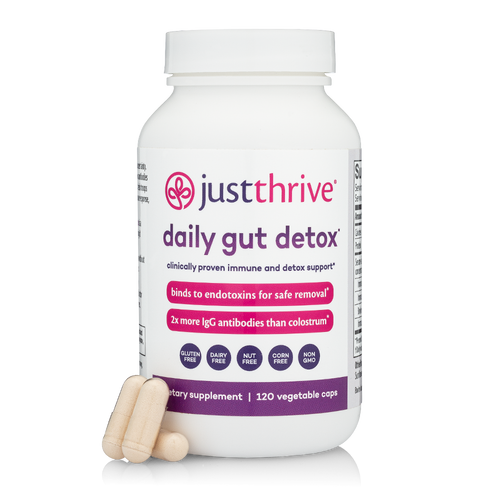

The Easiest Way to Establish a Strong Microbial Foundation in Your Gut With Just Thrive Core Health
Probiotics promote good gut bacteria, encourage them to flourish, and balance your gut microbiome.
Prebiotics maximize the benefits of your probiotic food and supplements by providing the fuel they need to grow and thrive.
Consumed together, probiotics and prebiotics can create an optimally healthy, well-balanced gut microbiome.
And you’ll get everything you need with Just Thrive Core Health bundle, which includes these two best-selling, high-quality supplements.
1. Just Thrive Probiotic provides the foundation for thriving gut bacteria with four clinically-proven strains of beneficial spore-based bacteria.
- Bacillus indicus HU36™
- Bacillus coagulans (SC-208)
- Bacillus clausii (SC-109)
- Bacillus subtilis HU58™
Thanks to its endospore shell, Just Thrive Probiotic is able to navigate through stomach enzymes, bile, and other digestive fluids and arrive at your gut 100% alive and ready to work!
2. Just Thrive PREbiotic fuels those colonies of good gut bacteria, nourishing them so they can thrive in your gut.
The carefully chosen fibers contained in Just Thrive PREbiotic feed only beneficial bacteria, so you can be sure that your gut microbiome will have the ideal bacterial balance. When combined with Just Thrive Probiotic, studies show it can more than DOUBLE your population of good bacteria.
Plus, it’s super convenient to take daily with options for both capsule and powder forms.
The powerful combination of probiotics and prebiotics in the Core Health bundle will ensure that your body has the good gut bacteria you need for your health and well-being.
>> Give yourself the gift of a healthy gut with the Just Thrive Core Health bundle.
Not sure if the Core Health bundle is right for you?
We’ve got your back! Like all Just Thrive products, the Core Health bundle comes with our Bottom of the Bottle, 100% money-back guarantee…
So if for any reason you don’t love it, you can ask for a full product refund at any time. Even if it’s 3 months or 3 years later. Even if the bottle is empty! You’ll get your money back any time, no hassles, no hard feelings.
>> Tap HERE to test drive the Just Thrive Core Health bundle, 100% RISK-FREE, and save 30% on your first month’s subscription with code SUB30.

Sources
- What Your Gut Bacteria Say About Your Health. WebMD. Available from: https://www.webmd.com/digestive-disorders/what-your-gut-bacteria-say-your-health. Published June 20, 2022. Accessed September 15, 2023.
- The Nutrition Source - The Microbiome. Harvard T.H. Chan School of Public Health. Available from: https://www.hsph.harvard.edu/nutritionsource/microbiome/. Accessed September 15, 2023.
- How Gut Health Affects the Whole Body. WebMD. Available from: https://www.webmd.com/digestive-disorders/ss/slideshow-how-gut-health-affects-whole-body. Accessed September 15, 2023.
- Fattorusso A, Di Genova L, Dell'Isola GB, Mencaroni E, Esposito S. Autism Spectrum Disorders and the Gut Microbiota. Nutrients. 2019;11(3):521. doi:10.3390/nu11030521.
- Dykhuizen D. Species Numbers in Bacteria. Proc Calif Acad Sci. 2005;56(6 Suppl 1):62-71.
- DiPardo, R. List of Good Bacteria. Weekand. Available from: https://www.weekand.com/healthy-living/article/list-good-bacteria-18014815.php. Published January 13, 2013. Updated December 14, 2018. Accessed September 15, 2023.
- How to Get More Probiotics. Harvard Health Publishing. Available from: https://www.health.harvard.edu/staying-healthy/how-to-get-more-probiotics. Published July 26, 2023. Accessed September 15, 2023.


