



If it feels like everyone is talking about GLP-1 lately, you’re not imagining it. It’s become one of the most discussed topics in health and wellness. From celebrities to fitness influencers to the post-menopausal mom down the street, people are crediting GLP-1 for sudden, and often dramatic, weight loss.
While most people are aware that these medications are used to help regulate diabetes and support weight management, there’s still a lot of confusion about what GLP-1 is and how it works.
In fact, many don’t realize that GLP-1 is actually a hormone that the body produces naturally every day… and that it plays a role in several important processes.
Let’s take a closer look at what GLP-1 is, what it does, how you can support it naturally, and how it fits into the bigger picture of overall wellness.
Quick Answer: Supporting your body's natural GLP-1 activity starts with everyday habits that promote healthy digestion and metabolism. A balanced diet rich in protein, fiber, and bitter foods, along with regular physical activity and a healthy gut microbiome, can help support the body's natural GLP-1 response after meals. While these approaches don't work the same way as GLP-1 medications, they help maintain the normal processes involved in appetite regulation, blood sugar balance, digestion, and metabolic health. Building these habits consistently provides a practical, sustainable foundation for overall wellness.
What Is GLP-1?
GLP-1, short for glucagon-like peptide-1, is a hormone your body produces after you eat. It’s released primarily in the small intestine and can help coordinate how your body responds to a meal.1
You’re probably familiar with GLP-1 because of the medications that have made headlines in recent years, but the hormone itself is a natural part of your biology.
It acts as a messenger between your gut, brain, and other organs, regulating things like appetite and digestion. It also plays a role in blood sugar regulation, which is one reason GLP-1 medications are sometimes prescribed to help manage Type 2 diabetes.2
In other words, GLP-1 is one of the many signals your body uses to keep things running smoothly after a meal. And what it does inside the body can offer some insight into why it’s getting so much attention.
 Want to listen instead of read? CLICK HERE
What Does GLP-1 Actually Do?
GLP-1 helps your body manage several important processes that occur after you eat.
Some of its most important functions include:3-7
- Helping regulate appetite by sending signals of fullness (satiety) after a meal. This is one of GLP-1’s most well-known functions and helps the body recognize when it has eaten enough.
- Supporting healthy blood sugar by encouraging insulin release when blood sugar rises
- Slowing digestion, which gives your body more time to absorb nutrients and maintain steady energy levels
- Contributing to normal metabolic function: how your body turns food into energy and processes nutrients
Together, these actions help your body respond to food efficiently, in ways that can support your overall wellness.
However, the timeline here matters, too. Here’s a quick breakdown of what that looks like.8
- Initial Release (10–15 minutes after eating): Nerves and other hormones send signals to your body, triggering the release of GLP-1 before food even reaches the small intestine.
- Peak GLP-1 Levels (60–90 minutes after eating): Your GLP-1 levels are at their highest point
- Prolonged Circulation: After its release, GLP-1 molecules can remain in the bloodstream for several hours, continuing to help metabolic processes by signaling satiety, slowing digestion, and triggering insulin release.
Given everything GLP-1 does in the body, it’s easy to see why researchers have become interested in harnessing its effects and why GLP-1 medications have attracted so much attention recently.
Why Are GLP-1 Medications So Popular Right Now?
GLP-1 medications have quickly risen in popularity, largely because they appear to offer something many people are searching for: a fast, effective way to lose weight.
Decades of diet culture and fitness fads have often failed to deliver lasting results. GLP-1 medications, on the other hand, are creating buzz because many users have experienced meaningful weight loss while taking them under medical supervision.
Social media has amplified the excitement. It’s almost impossible to scroll without seeing the success stories and celebrity before-and-after photos that have turned GLP-1 medications into one of the most talked-about topics in the wellness industry.
For someone who wants to lose a significant amount of weight, especially after struggling to see results from diets or exercise alone, it’s easy to see why GLP-1 medications have captured so much attention.
Of course, no medication is without its trade-offs. While GLP-1 medications can be valuable tools for some patients, it’s important to understand possible drawbacks before starting treatment.

What Are the Possible Side Effects of GLP-1 Medications?
Like all medications, GLP-1 drugs can cause side effects. The type of symptoms, and their intensity, can vary from person to person. Some patients may hardly notice them, while others could experience side effects that disrupt their daily routines.
Because of the way GLP-1 medications work in the body, their possible side effects tend to primarily affect the digestive system. Some of the most commonly reported side effects include:9
- Bloating
- Constipation
- Diarrhea
- Digestive discomfort
- Loss of appetite
- Nausea
- Vomiting
Other, less common side effects could include things like fatigue, headaches, hair loss, and redness or itching at the injection site.10
Many of the potential digestive challenges are related to the way GLP-1 medications delay gastric emptying, the process that moves food and liquids from the stomach to the small intestine. Some people may notice increased feelings of fullness. Others may have to adjust their dosage or treatment plans.
If you’re considering taking GLP-1 medications and are worried about possible side effects, you should discuss them with your healthcare provider.
At the same time, these potential downsides have prompted many people to explore the body’s natural GLP-1 production and ways to support its normal activity through everyday habits, like what you eat and how much you move.

Can Food Choices Support Natural GLP-1 Activity?
In a word, yes! Although they don’t work like GLP-1 medication, certain foods can influence your body’s natural hormone signaling and metabolic processes.11
While there isn’t one “magic” food solution, GLP-1-friendly eating plans typically emphasize a diet rich in fiber, protein, bitter foods, and other organic, nutrient-dense foods that help support healthy digestion, satiety, blood sugar, and overall wellness.
The main types of foods to include in a diet that supports GLP-1 include protein, fiber, and bitter foods.
How Does Protein Support GLP-1?
Protein supports many essential functions in the body, including those that support a healthy metabolism. It can also contribute to satiety, helping you feel satisfied after eating and reducing the urge to reach for snacks.
When you consume protein, your body breaks it down into amino acids, which activate the receptors that prompt your body to release GLP-1.12
Adding protein to your meals and snacks can create a balanced eating pattern that supports overall wellness. Foods like fish, poultry, and eggs are all good sources of protein, but you can also choose plant-based alternatives like Greek yogurt, beans, lentils, and tofu.
How Does Fiber Support GLP-1?
Fiber contributes to healthy digestion and feelings of fullness after a meal. It also helps support natural GLP-1.
Here’s how that process works:13
- Fibers reach your colon intact, where gut bacteria break them down.
- This process creates short-chain fatty acids (SCFAs) like butyrate and acetate.
- SCFAs act as chemical messengers that may signal your gut to your gut to naturally produce and release GLP-1.
Fiber is a plant-based carbohydrate found in plant-based foods like fruit, vegetables, legumes, nuts, seeds, and whole grains. Eating more of these foods can help support the body’s natural digestive and metabolic function because fiber is a prebiotic, which means it acts as fuel for gut bacteria.
But not all fiber is created equal. Some sources of fiber target both the helpful and less helpful gut bacteria. So you want to make sure you are consuming “smart” prebiotic fibers, designed to target only the beneficial bacteria that support a healthy gut environment.
Some of the best prebiotic choices include:
- Galactooligosaccharides support the growth of helpful bacteria and promote a balanced microbiome. They also encourage healthy digestion and can help reduce digestive issues like bloating.14
- Xylooligosaccharides selectively nourish beneficial bacteria and support the production of SCFAs. They also promote smooth digestion.15
- Kiwi powder significantly raises the levels of good gut bacteria, supporting your digestive function and nutrient absorption while reducing digestive discomfort.16
Prebiotic fibers can be found in foods such as asparagus, garlic, green bananas, leeks, and onions. However, since most diets don’t provide enough of these supportive fibers, many people choose to enhance their diets with prebiotic supplements.
How Do Digestive Bitters Support GLP-1?
Bitter foods can trigger interesting reactions, including the release of digestive enzymes, bile, and hormones like GLP-1.17
When you consume bitter compounds like tinctures, teas, or naturally bitter herbs and greens, receptors throughout your digestive system send a signal to your body: food is on the way. And your body responds by releasing what it needs to digest food efficiently.
Bitter foods have been part of traditional wellness practices around the world for centuries, often valued for their ability to support healthy digestion and digestive comfort.
Some of the most effective bitters for digestion include:18–23
- Artichoke leaf
- Dandelion root
- Dong quai
- Gentian root
- Ginger
- Hops flower
- Peppermint
- Wormwood
Unfortunately, these bitter foods aren’t as common in modern Western diets, where sweeter, saltier, and highly processed foods are more popular. When possible, add them to your diet, either in meals or supplements, to benefit from their digestive effects.
How Does Movement Support Metabolic Health?
Moving your body helps it use energy efficiently and maintain a healthy blood sugar level.
In fact, movement, or exercise, has long been viewed as one of the pillars of overall wellness. It influences many of the same systems as GLP-1, including appetite, digestion, and insulin sensitivity, all of which can play a role in your long-term metabolic health.25
Exercise requires fuel for your muscles, which encourages your body to use glucose more efficiently. Over time, regular physical activity can help support healthy blood sugar regulation and insulin sensitivity.26
Food and movement aren't the whole story, though. There are also important connections between gut health and GLP-1.
Just Thrive Gut Health Products

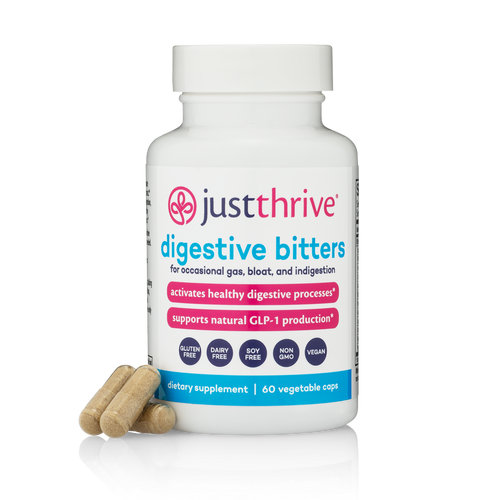
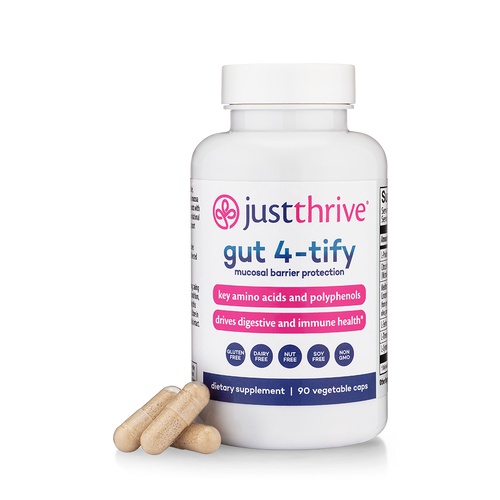

How Are Gut Health and GLP-1 Connected?
Gut health plays a huge role in the GLP-1 conversation because GLP-1 is produced in the gut, and a healthy microbiome may help support the environment in which it functions. Research also suggests that the microbiome may interact with pathways involved in appetite, digestion, and metabolic function. So when it comes to GLP-1, supporting overall gut health may be a practical part of a healthy lifestyle.
Just Thrive Probiotic supports gut health at a foundational level, and to take your digestive function even further, make sure to check out Just Thrive PREbiotic and Digestive Bitters.
Just Thrive PREbiotic is power-packed with three “smart” prebiotic fibers designed to selectively nourish helpful gut bacteria and support healthy digestion:
- Galactooligosaccharides
- Xylooligosaccharides
- Organic Kiwifruit Powder
And it’s available as both a capsule and a tasty drink mix, so it can fit into your lifestyle easily based on your preference.
Digestive Bitters contain not one, not two, but twelve clinically-proven herbs that support overall digestive health, including:
- Artichoke Extract
- Dandelion Root
- Dong Quai (root)
- Chinese Gentian Root Extract
- Ginger Root/Rhizome Extract
- Hops Flower Extract
- Peppermint (leaf)
- Sweet Wormwood
Just two capsules a day (before your biggest meal) can help support digestive function.
>> Naturally support GLP-1 production with Just Thrive PREbiotic and Digestive Bitters.
Not sure if Just Thrive will work for you? We can help with that.
Every Just Thrive purchase is backed by our Bottom of the Bottle, 100% money back guarantee. So you can try the PREbiotic and Digestive Bitters to see how they work for you.
But if for any reason you don’t feel a difference, you can ask for a full refund at any time. Even if it’s been 3 weeks, 3 months, or 3 years… Even if the bottle is empty!
>> Try Just Thrive PREbiotic and Digestive Bitters 100% RISK FREE today, and save 30% on your first month’s subscription with code SUB30.

Sources
- Müller TD, Finan B, Bloom SR, et al. Glucagon-like peptide 1 (GLP-1). Mol Metab. 2019;30:72-130. doi:10.1016/j.molmet.2019.09.010
- Gonzalez-Rellan MJ, Drucker DJ. The expanding benefits of GLP-1 medicines. Cell Rep Med. 2025;6(7):102214. doi:10.1016/j.xcrm.2025.102214
- Moiz A, Filion KB, Tsoukas MA, Yu OHY, Peters TM, Eisenberg MJ. Mechanisms of GLP-1 receptor agonist-induced weight loss: a review of central and peripheral pathways in appetite and energy regulation. Am J Med. 2025;138(6):934-940. doi:10.1016/j.amjmed.2025.01.021
- Meloni AR, DeYoung MB, Lowe C, Parkes DG. GLP-1 receptor activated insulin secretion from pancreatic β-cells: mechanism and glucose dependence. Diabetes Obes Metab. 2013;15(1):15-27. doi:10.1111/j.1463-1326.2012.01663.x
- Marathe CS, Rayner CK, Jones KL, Horowitz M. Effects of GLP-1 and incretin-based therapies on gastrointestinal motor function. Exp Diabetes Res. 2011;2011:279530. doi:10.1155/2011/279530
- Tanday N, Flatt PR, Irwin N. Metabolic responses and benefits of glucagon-like peptide-1 (GLP-1) receptor ligands. Br J Pharmacol. 2022;179(4):526-541. doi:10.1111/bph.15485
- Müller M, Canfora EE, Blaak EE. Gastrointestinal Transit Time, Glucose Homeostasis and Metabolic Health: Modulation by Dietary Fibers. Nutrients. 2018;10(3):275. Published 2018 Feb 28. doi:10.3390/nu10030275
- Dailey MJ, Moran TH. Glucagon-like peptide 1 and appetite. Trends Endocrinol Metab. 2013;24(2):85-91. doi:10.1016/j.tem.2012.11.008
- Cleveland Clinic. GLP-1 agonists. Cleveland Clinic. Updated September 18, 2024. Accessed June 16, 2026. https://my.clevelandclinic.org/health/treatments/13901-glp-1-agonists
- Filippatos TD, Panagiotopoulou TV, Elisaf MS. Adverse Effects of GLP-1 Receptor Agonists. Rev Diabet Stud. 2014;11(3-4):202-230. doi:10.1900/RDS.2014.11.202
- Pumper C. How to activate GLP-1 naturally. The Ohio State University Wexner Medical Center. Published July 1, 2025. Accessed June 16, 2026. https://health.osu.edu/wellness/exercise-and-nutrition/activiating-glp-1-naturally
- Watkins JD, Koumanov F, Gonzalez JT. Protein- and Calcium-Mediated GLP-1 Secretion: A Narrative Review. Adv Nutr. 2021;12(6):2540-2552. doi:10.1093/advances/nmab078
- Johnson BVB. Fiber supplementation during and after glucagon-like peptide-1 receptor agonists treatment: a perspective on clinical benefits. J Nutr. 2026;156(4):101436. doi:10.1016/j.tjnut.2026.101436
- Mei Z, Yuan J, Li D. Biological activity of galacto-oligosaccharides: A review. Front Microbiol. 2022;13:993052. Published 2022 Sep 6. doi:10.3389/fmicb.2022.993052
- Valladares-Diestra KK, de Souza Vandenberghe LP, Vieira S, et al. The Potential of Xylooligosaccharides as Prebiotics and Their Sustainable Production from Agro-Industrial by-Products. Foods. 2023;12(14):2681. Published 2023 Jul 12. doi:10.3390/foods12142681
- Lee YK, Low KY, Siah K, Drummond LM, Gwee KA. Kiwifruit (Actinidia deliciosa) changes intestinal microbial profile. Microb Ecol Health Dis. 2012;23:10.3402/mehd.v23i0.18572. Published 2012 Jun 18. doi:10.3402/mehd.v23i0.18572
- Rezaie P, Bitarafan V, Horowitz M, Feinle-Bisset C. Effects of Bitter Substances on GI Function, Energy Intake and Glycaemia-Do Preclinical Findings Translate to Outcomes in Humans?. Nutrients. 2021;13(4):1317. Published 2021 Apr 16. doi:10.3390/nu13041317
- Li Y, Chen Y, Sun-Waterhouse D. The potential of dandelion in the fight against gastrointestinal diseases: a review. J Ethnopharmacol. 2022;293:115272. doi:10.1016/j.jep.2022.115272
- Fang L, Xiao XF, Liu CX, He X. Recent advance in studies on Angelica sinensis. Chin Herb Med. 2012;4(1):12-25. doi:10.3969/j.issn.1674-6384.2012.01.004
- Aregawi LG, Zoltan C. Ginger's nutritional implication on gastrointestinal health. Clin Nutr Open Sci. 2025;61:1-13. doi:10.1016/j.nutos.2025.02.008
- Kok BP, Galmozzi A, Littlejohn NK, Albert V, Godio C, Kim W, Kim SM, Bland JS, Grayson N, Fang M, Meyerhof W, Siuzdak G, Srinivasan S, Behrens M, Saez E. Intestinal bitter taste receptor activation alters hormone secretion and imparts metabolic benefits. Mol Metab. 2018;16:76-87. doi:10.1016/j.molmet.2018.07.013
- Chumpitazi BP, Kearns GL, Shulman RJ. Review article: the physiological effects and safety of peppermint oil and its efficacy in irritable bowel syndrome and other functional disorders. Aliment Pharmacol Ther. 2018;47(6):738-752. doi:10.1111/apt.14519
- Cleveland Clinic. What to know before you try digestive bitters. Cleveland Clinic Health Essentials. Published March 7, 2022. Accessed June 16, 2026. https://health.clevelandclinic.org/digestive-bitters
- Rezaie P, Bitarafan V, Horowitz M, Feinle-Bisset C. Effects of Bitter Substances on GI Function, Energy Intake and Glycaemia-Do Preclinical Findings Translate to Outcomes in Humans?. Nutrients. 2021;13(4):1317. Published 2021 Apr 16. doi:10.3390/nu13041317
- Thyfault JP, Bergouignan A. Exercise and metabolic health: beyond skeletal muscle. Diabetologia. 2020;63(8):1464-1474. doi:10.1007/s00125-020-05177-6
- American Diabetes Association. Blood glucose and exercise. American Diabetes Association. Accessed June 16, 2026. https://diabetes.org/health-wellness/fitness/blood-glucose-and-exercise


