



As we age, some tell-tale signs are impossible to miss. The crow’s feet when you laugh. That first streak of silver running through your hair.
Other shifts are more subtle and may go unnoticed at first, quietly happening beneath the surface. One of the most overlooked? Changes to your digestion.
But while aging may be unavoidable, struggling with digestive discomfort doesn’t have to be.
Let’s take a closer look at how your digestive system evolves with age and the simple, everyday ways you can support a strong, healthy digestion at any age.
Quick Answer: Digestion naturally changes with age. Over 55% of adults age 65 and older have at least one GI issue each week, with common signs like heartburn, constipation, new food sensitivities, and bloating. The main reasons are slower digestive enzyme production, slower gut motility, and a less diverse gut microbiome, all of which can be amplified by medications, stress, and a less active lifestyle. The good news is you do not have to settle for discomfort. Staying active, managing stress, choosing fiber-rich whole foods, and adding supportive supplements like spore probiotics and prebiotics can all help maintain comfortable, healthy digestion at any age.
What Are the Signs Your Digestion Is Changing With Age?
Common signs include heartburn or indigestion showing up more often, becoming less regular or constipated, new food sensitivities (especially to dairy or richer foods), feeling bloated after smaller meals, and difficulty swallowing. Over 55% of adults age 65 and older have at least one GI issue each week.
If your digestion feels different than it used to, you’re not imagining things. And you’re definitely not alone! Over 55% of adults age 65 or older have at least one GI issue each week.[1] These can range from more minor symptoms, like bloating or gassiness after a big meal, to the more disruptive, like constipation.
It usually starts slowly. You might start to notice things like:[2]
- Heartburn or indigestion show up more frequently, especially after certain foods or later in the day
- You’re not as regular as you used to be (constipation or less frequent bowel movements)
- You start experiencing food sensitivities, especially to dairy products or richer, heavier foods that you used to tolerate just fine
- Even smaller meals leave you feeling bloated
- Difficulty swallowing (dysphagia)
Some signs don’t even seem digestive at first. For example, feeling weak or exhausted can be a signal that you aren’t absorbing nutrients as efficiently.
And while the more subtle shifts can be easy to brush off at first, over time, they become harder to ignore.
 Want to listen instead of read? CLICK HERE
Why Does Digestion Change With Age?
Digestion changes mainly because enzyme production slows, gut motility slows, and the gut microbiome becomes less diverse. Hormonal shifts during perimenopause, menopause, and andropause can add to these changes.
These digestive issues you’re starting to feel? They aren’t random, nor are they completely unexpected. Rather, they’re the result of the natural changes happening within your digestive system. And understanding what’s going on inside your digestive tract is the first step towards supporting your body in a way that works with it, not against it.
Here’s what could be going on inside your digestive system right now, even if you’re not noticing the signs just yet.
Enzyme Production Slows Down
Your body produces digestive enzymes, specialized proteins that break down food into smaller, absorbable molecules that your body can use. Different enzymes target different foods: amylase helps digest carbohydrates, protease breaks down proteins, lactase processes lactose (milk sugar), and lipase supports fat digestion.
Once food is broken down into these smaller components, your body efficiently absorbs the nutrients they contain.
But as you age, enzyme production naturally begins to slow down.[3]
So your food doesn’t break down as easily, and your body doesn’t always absorb nutrients the way it used to. Eventually, this can contribute to nutrient deficiencies. The nutrient gap can also impact your energy levels or contribute to digestive discomforts like nausea, diarrhea, abdominal pain, bloating, and gas.[4,5]
Lower levels of certain enzymes can also make it difficult for your body to break down specific foods, creating new food sensitivities. A decline in lactase, for example, can lead to lactose intolerance (and its uncomfortable symptoms), even if you’ve been enjoying your favorite dairy products, symptom-free, for years.[6]
Motility Slows Down, Too
People often say they’re slowing down with age. And while you may be thinking of walking more slowly or taking your time getting out of bed, it applies to other bodily functions, too.
That feeling of getting full quickly or staying full long after a meal? It can often be due to slower gut motility (sometimes referred to as transit time), the way your muscles contract to move food from your esophagus, through your digestive tract, and eventually eliminate it out of your body.
As you get older, your digestive muscles may lose strength, slowing gut motility.[7] This slower transit time can lead to constipation, bloating, abdominal pain, and other signs of digestive distress.[8]
Your Gut Microbiome Changes (And Not Always For The Better!)
Your microbiome, the community of beneficial and harmful bacteria living in your gut, plays a major role in digestion. When it’s diverse and well-balanced, with a stronger presence of good bacteria, it supports a healthy, comfortable digestive process.
But as you get older, your microbiome changes significantly.[9]
One big shift? Your microbiome becomes less diverse, and not in a good way. Generally, a more diverse gut environment is associated with stronger, more resilient colonies of good bacteria that help maintain a balanced gut.
But if that balance shifts, it leaves room for less helpful strains to take over. This imbalance can make your gut feel more sensitive and contribute to things like occasional bloating, irregularity, food sensitivities, and general discomfort.
And because a large portion of your immune system is housed in your gut, changes to your microbiome can also impact your body’s natural defenses. Over time, this can lead to inflammation, which can further disrupt digestion and the overall gut balance.
Hormones Affect Digestion, Too
Hormonal shifts can have a surprisingly noticeable impact on your microbiome.
As estrogen and progesterone levels fluctuate (and eventually decline) during perimenopause and menopause, digestion begins to slow. This gives food more time to ferment in the gut, potentially leading to bloating or gas. Lower levels of progesterone, which usually supports muscle contractions in the digestive tract, can also contribute to longer motility time. For some, this can show up as constipation and general abdominal discomfort.[10]
Men experience their own hormonal changes too, often referred to as andropause, where testosterone levels decline. While these shifts tend to be gradual, they can still affect digestion. Reduced muscle tone in the digestive tract can contribute to slower motility. Meanwhile, lower testosterone can impact the diversity of the gut microbiome. Together, these changes can show up as things like occasional bloating, constipation, and digestive discomfort.[11]
How Does Your Lifestyle Affect Digestion As You Age?
External factors that come with aging matter too. More frequent antibiotic and medication use, higher stress, a less active lifestyle, and changes in diet can all disrupt the microbiome and slow digestion.
Not everything that affects your digestive system happens on the inside. Some of the external factors that come with aging can have an impact, too.
Older adults are also prescribed antibiotics at a higher rate.[12] The problem is, antibiotics can’t target harmful bacteria exclusively. They work broadly on both good and bad bacteria, throwing your microbiome off balance (a condition called dysbiosis) and leaving room for less beneficial bacteria to thrive in their wake.[13]
Other common medications, like blood-pressure prescriptions or even an increased use of over-the-counter painkillers (ibuprofen, aspirin), may lead to occasional constipation, gas, bloating, and a general sense of digestive discomfort.[14]
Stress, a less active lifestyle, and changes in daily habits can also play a role in digestion.
- When stress levels remain consistently high, signals through the gut-brain axis can disrupt your microbiome and slow motility.[15,16]
- Moving less throughout the day can further impact how efficiently food travels through your system.[17]
- Dietary changes, like not getting enough water or fiber, can also disrupt digestion.[18]
Although these lifestyle factors can be present at any age, when you add them to a changing system, you may find your digestion feels uncomfortable, slow, and out of sync.
What Can You Do to Support Digestion As You Age?
You do not have to live with digestive discomfort as you get older. Staying active, managing stress, choosing fiber-rich whole foods, and adding supportive supplements like spore probiotics and prebiotics can all help maintain healthy digestion.
Getting older doesn’t mean you have to live with digestive issues. You can take simple, practical steps today that will support healthy digestion.
Stay Active
You don’t have to overdo it, but you do need to move consistently throughout the week. Older adults need at least 150 minutes of moderate aerobic activity and two strength training sessions each week.[19]
The best kind of movement is one you’ll actually stick to. So pick an activity you love, and go for it. Walking, swimming, dancing, and even working in your garden can all keep you, and your digestive system, in great shape.
Manage Stress
Maintaining a healthy stress level can also go a long way in supporting your digestive system. Meditation, journaling, practicing gratitude, nervous system regulation, and mind-body movements like yoga or tai chi can help calm your mind.
Choose the Right Foods
Focus on foods that promote a comfortable digestion. Fiber-rich foods can help maintain regularity, while soups and stews deliver both nutrients and hydration. Whole, organic foods like fruit, vegetables, and healthy fats can support a balanced microbiome.
At the same time, pay attention to how your body feels after certain foods (mindful eating), so you can identify and limit anything that triggers discomfort.
Add Supportive Supplements
The right probiotics can help maintain a healthy digestive system.
- Bacillus indicus HU36™ produces high levels of over 15 powerful antioxidants in your gut, right where your body can use them most efficiently. These carotenoids, including Lycopen, Lutein, Astaxanthin, Zeaxanthin, and Beta-Carotene, help regulate oxidative stress and support a healthy microbiome.[20,21]
- Bacillus subtilis HU58™, an extensively studied probiotic valued for its unique ability to produce 12 potent defenders that can help defend your body from harmful bacteria and pathogens. This beneficial strain also supports a balanced gut by shortening transit time, aiding nutrient absorption, and encouraging the growth of good bacteria.[22]
- Bacillus coagulans encourages the production of digestive enzymes and promotes overall gut health, by addressing things like bloating, diarrhea, and discomfort.[23,24]
- Bacillus clausii is known to resist antibiotic damage, helps shorten transit time, support the growth of with beneficial bacteria, and encourage overall digestive health.[25]
Another key reason these strains are so effective is that they are spore probiotics, with the ability to produce a hardy endospore “armor” that helps them survive as they travel through your digestive system. Thanks to that added protection, the bacteria arrive in your gut microbiome 100% alive and ready to support digestion, immune function, antioxidant production, and your overall gut health.
Prebiotics are another powerful supplement for healthy digestion. This non-digestible fiber, often described as “fuel” for your gut, helps nourish the beneficial bacteria already living in your gut, supporting a thriving microbiome.[26]
Although prebiotics are naturally found in certain foods, especially those that are plant-based, reaching a consistent, gut-supporting level through diet alone can be challenging. Supplements are often a more convenient and reliable way to get prebiotics.
Frequently Asked Questions
Just Thrive Core Health Products

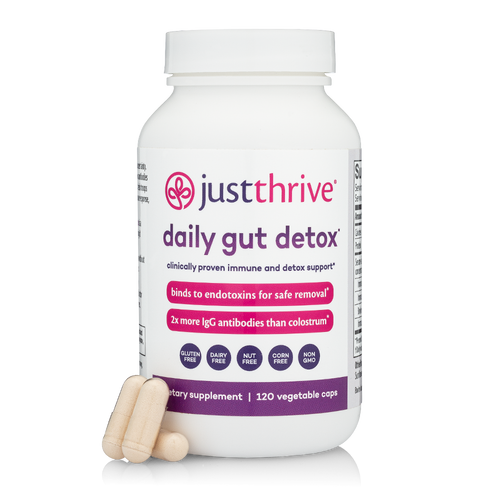
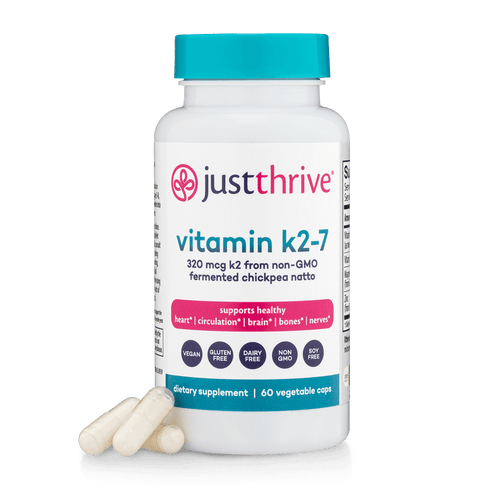

Maintain Healthy Digestion at Any Age With Just Thrive
Aging may bring some changes to your digestive system, but it doesn’t mean you have to settle for discomfort. With targeted daily support, you can help maintain healthy digestion through every phase of your life.
Just Thrive’s Core Health bundle includes two powerful supplements to promote healthy digestion at any age.
Just Thrive Probiotic delivers four beneficial bacteria to your gut microbiome.
- Bacillus indicus HU36™
- Bacillus subtilis HU58™
- Bacillus coagulans
- Bacillus clausii
Just Thrive PREbiotic is specially formulated with three “smart” fibers that have been clinically proven to feed only beneficial bacteria. Even better, when taken with Just Thrive Probiotic, it can more than double the population of good bacteria in your gut microbiome!
>> Support a healthy digestive system as you get older with Just Thrive Core Health.
Not sure if Just Thrive Core Health will work for you? We’ve got your back.
Every single Just Thrive purchase is covered by our Bottom of the Bottle, 100% money back guarantee. So you can try Just Thrive Probiotic and PREbiotic to see if they work for you.
But if for any reason you don’t feel a difference, simply ask for a full product refund at any time. Even if it’s been 3 weeks, 3 months, or 3 years… Even if the bottle is empty.

Sources
- Pilotto A, Custodero C, Crudele L, Morganti W, Veronese N, Franceschi M. Age-related changes of the gastrointestinal tract. Lancet Gastroenterol Hepatol. 2026;11(1):59-70. doi:10.1016/S2468-1253(25)00235-3
- Dumic I, Nordin T, Jecmenica M, Stojkovic Lalosevic M, Milosavljevic T, Milovanovic T. Gastrointestinal Tract Disorders in Older Age. Can J Gastroenterol Hepatol. 2019 Jan 17;2019:6757524. doi: 10.1155/2019/6757524. PMID: 30792972; PMCID: PMC6354172.
- Vara-Luiz F, Mendes I, Palma C, Mascarenhas P, Nunes G, Patita M, Fonseca J. Age-Related Decline of Gastric Secretion: Facts and Controversies. Biomedicines. 2025 Jun 25;13(7):1546. doi: 10.3390/biomedicines13071546. PMID: 40722622; PMCID: PMC12292447.
- Qiu L, Huang Q, Li W, Zhang Q, Zhou J, Chen J, Li Y, Wang R, Wang P, Liu S, Fang B, Wang X. Aging influences protein digestion, absorption and amino acid metabolism. Biogerontology. 2025 Jul 19;26(4):146. doi: 10.1007/s10522-025-10289-w. PMID: 40682691.
- D'Souza AL. Ageing and the gut. Postgrad Med J. 2007 Jan;83(975):44-53. doi: 10.1136/pgmj.2006.049361. PMID: 17267678; PMCID: PMC2599964.
- Grand RJ, Montgomery RK, Chitkara DK, Hirschhorn JN. Changing genes; losing lactase. Gut. 2003 May;52(5):617-9. doi: 10.1136/gut.52.5.617. PMID: 12692040; PMCID: PMC1773627.
- Bitar K, Greenwood-Van Meerveld B, Saad R, Wiley JW. Aging and gastrointestinal neuromuscular function: insights from within and outside the gut. Neurogastroenterol Motil. 2011 Jun;23(6):490-501. doi: 10.1111/j.1365-2982.2011.01678.x. Epub 2011 Feb 15. PMID: 21320236; PMCID: PMC3094479.
- Waseem S, Moshiree B, Draganov PV. Gastroparesis: current diagnostic challenges and management considerations. World J Gastroenterol. 2009 Jan 7;15(1):25-37. doi: 10.3748/wjg.15.25. PMID: 19115465; PMCID: PMC2653292.
- Kanimozhi N V, Sukumar M, Aging through the lens of the gut microbiome: Challenges and therapeutic opportunities, Archives of Gerontology and Geriatrics Plus, Volume 2, Issue 2, 2025, 100142, ISSN 2950-3078, https://doi.org/10.1016/j.aggp.2025.100142.
- Peters BA, Santoro N, Kaplan RC, Qi Q. Spotlight on the Gut Microbiome in Menopause: Current Insights. Int J Womens Health. 2022 Aug 10;14:1059-1072. doi: 10.2147/IJWH.S340491. PMID: 35983178; PMCID: PMC9379122.
- Pakpahan C, Laurus G, Hartanto MC, Singh R, Saharan A, Darmadi D, Rezano A, Wasian G. Potential relationship of the gut microbiome with testosterone level in men: a systematic review. PeerJ. 2025 Apr 15;13:e19289. doi: 10.7717/peerj.19289. PMID: 40256744; PMCID: PMC12007503.
- Kabbani S, Palms D, Bartoces M, Stone N, Hicks LA. Outpatient Antibiotic Prescribing for Older Adults in the United States: 2011 to 2014. J Am Geriatr Soc. 2018 Oct;66(10):1998-2002. doi: 10.1111/jgs.15518. Epub 2018 Sep 17. PMID: 30221746; PMCID: PMC7909599.
- Ramirez J, Guarner F, Bustos Fernandez L, Maruy A, Sdepanian VL, Cohen H. Antibiotics as Major Disruptors of Gut Microbiota. Front Cell Infect Microbiol. 2020 Nov 24;10:572912. doi: 10.3389/fcimb.2020.572912. PMID: 33330122; PMCID: PMC7732679.
- Ahn Y, Nam MH, Kim E. Relationship Between the Gastrointestinal Side Effects of an Anti-Hypertensive Medication and Changes in the Serum Lipid Metabolome. Nutrients. 2020 Jan 13;12(1):205. doi: 10.3390/nu12010205. PMID: 31941114; PMCID: PMC7019348.
- Cherpak CE. Mindful Eating: A Review Of How The Stress-Digestion-Mindfulness Triad May Modulate And Improve Gastrointestinal And Digestive Function. Integr Med (Encinitas). 2019 Aug;18(4):48-53. PMID: 32549835; PMCID: PMC7219460.
- Konturek PC, Brzozowski T, Konturek SJ. Stress and the gut: pathophysiology, clinical consequences, diagnostic approach and treatment options. J Physiol Pharmacol. 2011 Dec;62(6):591-9. PMID: 22314561.
- Ohlsson B, Manjer J. Physical inactivity during leisure time and irregular meals are associated with functional gastrointestinal complaints in middle-aged and elder subjects. Scand J Gastroenterol. 2016 Nov;51(11):1299-307. doi: 10.1080/00365521.2016.1209786. Epub 2016 Jul 19. PMID: 27435884.
- Sato K, Hara-Chikuma M, Yasui M, Inoue J, Kim YG. Sufficient water intake maintains the gut microbiota and immune homeostasis and promotes pathogen elimination. iScience. 2024 May 3;27(6):109903. doi: 10.1016/j.isci.2024.109903. PMID: 38799550; PMCID: PMC11126815.
- Piercy KL, Polster M, Macias B, Vaux-Bjerke A. Physical Activity in Older Adults: What Every Internist Needs to Know. Am J Lifestyle Med. 2024 Apr 28;19(1):12-22. doi: 10.1177/15598276241249681. PMID: 39554937; PMCID: PMC11562269.
- Sy C, Dangles O, Borel P, Caris-Veyrat C. Interactions between Carotenoids from Marine Bacteria and Other Micronutrients: Impact on Stability and Antioxidant Activity. Mar Drugs. 2015 Nov 19;13(11):7020-39. doi: 10.3390/md13117020. PMID: 26610529; PMCID: PMC4663564.
- Riaz Rajoka MS, Thirumdas R, Mehwish HM, Umair M, Khurshid M, Hayat HF, Phimolsiripol Y, Pallarés N, Martí-Quijal FJ, Barba FJ. Role of Food Antioxidants in Modulating Gut Microbial Communities: Novel Understandings in Intestinal Oxidative Stress Damage and Their Impact on Host Health. Antioxidants (Basel). 2021 Sep 30;10(10):1563. doi: 10.3390/antiox10101563. PMID: 34679698; PMCID: PMC8533511.
- Guannan Li, Yujie Tong, Yi Xiao, Shengquan Huang, Tianfu Zhao, Xuejuan Xia, Probiotic Bacillus subtilis contributes to the modulation of gut microbiota and blood metabolic profile of hosts, Comparative Biochemistry and Physiology Part C: Toxicology & Pharmacology, Volume 272, 2023, 109712, ISSN 1532-0456, https://doi.org/10.1016/j.cbpc.2023.109712.
- Kumar VV, Sudha KM, Bennur S, Dhanasekar KR. A prospective, randomized, open-label, placebo-controlled comparative study of Bacillus coagulans GBI-30,6086 with digestive enzymes in improving indigestion in geriatric population. J Family Med Prim Care. 2020 Feb 28;9(2):1108-1112. doi: 10.4103/jfmpc.jfmpc_922_19. PMID: 32318476; PMCID: PMC7113997.
- Majeed M, Nagabhushanam K, Paulose S, Arumugam S, Mundkur L. The effects of Bacillus coagulans MTCC 5856 on functional gas and bloating in adults: A randomized, double-blind, placebo-controlled study. Medicine (Baltimore). 2023 Mar 3;102(9):e33109. doi: 10.1097/MD.0000000000033109. PMID: 36862903; PMCID: PMC9982755.
- Acosta-Rodríguez-Bueno CP, Abreu Y Abreu AT, Guarner F, Guno MJV, Pehlivanoğlu E, Perez M 3rd. Bacillus clausii for Gastrointestinal Disorders: A Narrative Literature Review. Adv Ther. 2022 Nov;39(11):4854-4874. doi: 10.1007/s12325-022-02285-0. Epub 2022 Aug 26. PMID: 36018495; PMCID: PMC9525334.


