



It’s not unusual to have a day when your stomach “feels funny.”
You’re nervous over an upcoming meeting at work…or overindulge in rich or spicy foods… or drink too much alcohol or caffeine…
And bam! The digestive issues begin.
But these are all short-term issues that go away quickly, either when your digestive system breaks down the food/drinks or when a stressful event is over.
So, what does it mean when those issues remain, stretching into days, weeks, and months?
It’s possible that you have a condition called gut dysbiosis.
Let’s look more closely at your digestive issues, whether they could be pointing to dysbiosis, and what you can do to rebalance your gut microbiome.
Quick Answer: Gut dysbiosis is an imbalance in the gut microbiome, where harmful bacteria outnumber or crowd out the beneficial bacteria your body relies on for digestion, immune function, and mood. Common triggers include a poor diet, antibiotics, stress, and not enough sleep. Signs can range from bloating, gas, and fatigue to skin issues and mood changes, and an imbalance is extremely common. The good news is that dysbiosis can usually be addressed with everyday changes: managing stress, getting enough sleep, eating fiber-rich whole foods, and adding probiotics and prebiotics. A spore-based probiotic supplement is one of the simplest ways to support a balanced microbiome.
What Is Gut Dysbiosis?
Gut dysbiosis is an imbalance in the gut microbiome, the community of trillions of bacteria living in your digestive tract. It happens when harmful bacteria grow too numerous and crowd out the beneficial bacteria that keep your gut healthy.
Gut dysbiosis starts off similarly to the “funny tummy” feeling, but it’s not necessarily caused by an outside factor. Instead, it’s caused by what’s inside your body.
Bacteria.
Your body is teeming with trillions of organisms. The vast majority of them make their home in your digestive tract, also known as your gut microbiome.
Luckily, not all of them are harmful. In fact, good bacteria are crucial to your digestive health, immune response, and overall well-being.
The “good” beneficial probiotic bacteria and the “bad” (or pathogenic) bacteria have to coexist in the same space in your gut. When one is more present, either in strength or in numbers, the other one is reduced in its effect.
Ideally, the good bacteria will have larger, stronger colonies than the bad bacteria. When this is the case, your gut is happy, healthy, and balanced.
Unfortunately, the opposite is far more common. The colonies of bad bacteria thrive and grow. Since there’s only so much “real estate” in your gut, this crowds out the good bacteria. This imbalance is what’s known as gut dysbiosis.
What Causes Gut Dysbiosis?
Dysbiosis develops when the gut has too few good bacteria, too many bad bacteria, or a loss of overall bacterial diversity. Everyday factors like a poor diet, antibiotics, stress, lack of sleep, and poor dental hygiene can all set it in motion.
There are three things that could be happening for you to experience dysbiosis.
- Reduced number of good bacteria in your gut
- Increased number of bad bacteria in your gut
- Loss of bacterial diversity, with lower levels of both good and bad bacteria.
There are several ways that this can occur. Here’s a few common triggers.
- A poor diet: can starve good bacteria while feeding pathogenic bacteria
- Use of antibiotics: kills off both types of bacteria, giving bad bacteria room to flourish
- Stress: can alter the gut microbiota
- Not enough sleep: can throw off your gut balance
- Poor dental hygiene [1]: can create bacteria in your mouth, which can make their way to your stomach
Is Dysbiosis the Same As Leaky Gut Syndrome?
No, dysbiosis and leaky gut are not the same thing, but they are closely related. Dysbiosis can lead to leaky gut, because an overgrowth of bad bacteria releases toxins that can damage the gut lining.
No, but dysbiosis can cause a leaky gut. [2]
Your gut is lined with a wall with small holes, resembling a net. These holes are filters that allow certain substances, such as nutrients, through, but hold back toxins, undigested food particles, and bad bacteria. However, if your gut lining is damaged, the holes become bigger and those harmful substances can pass through.
\When you have dysbiosis, the high level of bad bacteria releases an increased number of toxins, which can damage the walls of your gut lining. This damage can eventually lead to holes in the walls of your digestive tract, causing leaky gut syndrome.
What Are the Signs of Gut Dysbiosis?
The most common signs of gut dysbiosis are digestive symptoms like bloating, gas, heartburn, and acid reflux, along with fatigue, food intolerances, and skin issues. Because the gut and brain are connected, an imbalance can also show up as mood and concentration changes.
Not sure if you have gut dysbiosis? Here’s a clue: you probably do! In fact, most people are living with an imbalance in their gut… they just haven’t realized it yet. (it’s estimated that up to 90% of Americans have an unfavorable gut imbalance.)
Once the imbalance gets to a certain level, though, the symptoms will start showing up.
Here are some of the most common physical signs of gut dysbiosis. [3]
- Aching joints
- Acid reflux
- Bloating
- Chronic fatigue
- Digestive issues
- Food intolerances
- Gas
- Heartburn
- Skin issues
- Stomach cramps
- Trouble urinating
- Vaginal or rectal problems or itching
Gut dysbiosis can also affect your emotional/mental health, leading to issues such as:
- Anxiety
- Attention Deficit Hyperactivity Disorder (ADHD)
- Depression
- Trouble concentrating
If you experience any of these symptoms, they could be a sign of dysbiosis.
When left untreated, gut dysbiosis can evolve into more serious health conditions, such as:
- Cancer
- Cardiovascular issues
- Central nervous system disorders
- Diabetes
- Inflammatory Bowel Disease (IBD)
- Irritable Bowel Syndrome (IBS)
- Obesity

How Do You Get Your Gut Back in Balance?
You can rebalance your gut without invasive procedures by addressing the everyday habits that knocked it out of balance. The core strategies are reducing stress, getting enough sleep, eating a gut-friendly diet, and adding probiotics and prebiotics.
After reading all of its harmful effects, you’re probably wondering whether or not you can do anything about your gut dysbiosis.
The answer is yes!
Gut dysbiosis is a condition that you can overcome, and you can do it without invasive medical procedures. Through lifestyle and diet changes, you can correct the balance in your gut microbiome.
Depending on the current state of your gut and how quickly your body reacts to the actions you take, creating a healthy balance in your gut can take anywhere from a couple of weeks to a few months. [4]
Let’s go over some of the best strategies for rebalancing your gut microbiome and addressing dysbiosis.
Reduce Stress
Believe it or not, your gut microbiome isn’t only affected by what you eat. Your lifestyle can also play an important role in healing gut dysbiosis.
Your gut and your brain “talk” to each other via the gut-brain axis. What happens to one affects the other. For example, feeling nervous about an upcoming event can cause digestive issues. And, certain digestive disorders can lead to mental health issues.
So it’s no surprise that stress can cause a gut bacteria imbalance [8] that leads to dysbiosis.
And while stress may, at times, be unavoidable, it can be managed.
Some techniques to help you reduce stress include:
- Deep breathing
- Exercising
- Getting enough sleep
- Limiting social media
- Listening to relaxing music
- Meditating
- Practicing positive self-talk
- Setting boundaries; saying “no” when necessary
- Spending time with loved ones
- Talking with a therapist
Get Enough Sleep
Are you getting the right amount of shut-eye?
The Centers for Disease Control (CDC) recommends that adults get at least seven hours of sleep per night [9] for optimal health, including gut health.
Lack of sleep can lead to several factors that can cause dysbiosis.
For one, lack of quality sleep disrupts your circadian rhythm, your internal body clock. Research shows that circadian rhythm disorders can lead to the gut imbalance that causes dysbiosis. [10]
Also, when you’re overtired, you’re less likely to make healthy food choices. You might pick sugary or over-processed treats, especially if you’re too tired to cook or prepare a healthy snack.
And, being overtired makes it more difficult to deal with stress. A stressful life is one of the biggest contributing factors to gut dysbiosis.
For optimum sleep health, try going to bed at around the same time each night. Create a sleep-positive environment, one that’s cool, dark, and quiet. And avoid blue light from electronic devices while you sleep.
Eat a Healthy Diet
The foods you eat affect your gut microbiome composition. Whether that’s a positive or negative effect depends on the choices you make.
- Decrease your sugar intake. Sugar can reduce the number of beneficial bacteria in your gut. [5] This leaves room for the bad bacteria to grow and strengthen. Consuming less sugar is probably the number one thing you can do to protect your gut health.
- Choose the right carbohydrates. Refined carbs, such as white rice or white flour, have a high glycemic index [6] and are quickly broken down into sugar by the body, causing the same detrimental effect. Fill your plate with complex carbs such as fruits, vegetables, whole grain bread, and brown rice.
- Eat more fiber. Fiber isn’t easily digested by your body. Instead, it’s broken down by the beneficial bacteria in your gut [7], which feed on it. This gives them the fuel they need for their colonies to flourish and crowd out bad bacteria.
What Foods Help With Gut Dysbiosis?
Foods that support a balanced gut are anti-inflammatory, nutrient-dense, and rich in fiber, probiotics, or prebiotics. Good choices include leafy greens, root vegetables, low-sugar fruits, salmon, bone broth, garlic, onions, and seeds.
The next time you go food shopping, choose foods that are anti-inflammatory, nutrient-dense, and rich in probiotics or prebiotics (more on this in a moment).
Some food to add to your refrigerator or pantry include:
- Asparagus
- Bone broth
- Chia and flax seeds
- Fruits low in sugar, such as strawberries, grapes, and pineapples
- Garlic
- Ginger
- Leafy greens
- Olive and avocado oil
- Onions
- Oregano
- Root vegetables such as parsnips, carrots, and sweet potatoes
- Salmon
- Turmeric
These foods can help bring your gut back into balance and benefit your overall health.
What Is the Difference Between Probiotics and Prebiotics?
Probiotics are beneficial bacteria that join the good bacteria already in your gut, while prebiotics are the fiber those bacteria feed on. Both work together to strengthen beneficial bacteria and rebalance the microbiome.
| Probiotics | Prebiotics | |
|---|---|---|
| What they are | Live beneficial bacteria | Fiber that feeds bacteria |
| Role in the gut | Add to beneficial colonies | Fuel beneficial colonies to grow |
| Food sources | Kefir, kimchi, kombucha, yogurt, sauerkraut | Apples, bananas, garlic, onions, oats, chicory root |
Probiotics and prebiotics both play an important role in promoting the growth of good bacteria and rebalancing your gut microbiome.
Probiotic bacteria, found in certain food, drinks, and supplements, are similar to the good bacteria that already live in your gut. When consumed, they join forces with the colonies of beneficial bacteria, strengthening their quality and quantity.
Luckily, most of these foods are found right in your local grocery store.
Some common probiotic-rich foods and drinks are:
- Kefir
- Kimchi
- Kombucha
- Miso
- Pickles
- Sauerkraut
- Some soft cheeses
- Sourdough bread products
- Tempeh
- Yogurt
Prebiotics, on the other hand, aren’t bacteria. Instead, they provide food for good bacteria. The beneficial bacteria in your gut, as well as any probiotics you may have added, use them as fuel to strengthen and multiply.
Prebiotics occur naturally in most fruits, vegetables, and whole grains.
Foods high in prebiotics include:
- Apples
- Artichokes
- Bananas
- Chicory root
- Dandelion greens
- Garlic
- Onions
- Whole oats
Should You Take a Probiotic Supplement for Dysbiosis?
A daily probiotic supplement is the simplest way to support gut balance, because fermented foods alone may not supply everything you need. Spore-based probiotics are a strong choice, as they survive digestion and reach the gut alive.
While fermented probiotic foods are great, you cannot get everything you need from them alone. That’s why the simplest thing you can do to support your best gut health and address dysbiosis is to take a probiotic supplement.
But not all probiotics are created equal. It’s important that you choose the right strain of probiotics to get the maximum gut health benefits.
Research consistently shows that spore bacteria is the ideal choice. These are the rich, soil-based microorganisms that occur naturally in dirt and vegetation. There they lie dormant until they are consumed and reach your gut, where they come alive and get to work.
Just Thrive Probiotic’s spore-based strains are clinically proven to support your gut microbiome balance and address dysbiosis for optimal gut health.
Frequently Asked Questions About Gut Dysbiosis
What is gut dysbiosis?
Gut dysbiosis is an imbalance in the gut microbiome, the trillions of bacteria living in your digestive tract. It occurs when harmful bacteria outnumber or crowd out the beneficial bacteria your body depends on for digestion, immunity, and overall well-being.
What are the most common symptoms of dysbiosis?
Common physical signs include bloating, gas, acid reflux, heartburn, stomach cramps, chronic fatigue, food intolerances, and skin issues. Because of the gut-brain connection, dysbiosis may also be associated with mood changes and trouble concentrating.
How long does it take to rebalance your gut?
It varies from person to person. Depending on the current state of your gut and how quickly your body responds, creating a healthy balance can take anywhere from a couple of weeks to a few months of consistent diet and lifestyle changes.
How can I support gut balance naturally?
Helpful everyday steps include reducing stress, getting at least seven hours of sleep, cutting back on sugar and refined carbs, eating more fiber, and adding probiotic and prebiotic foods. A daily probiotic supplement can make this easier.
What is the best probiotic for gut dysbiosis?
Spore-based probiotics are well suited to supporting gut balance because they survive stomach acid and reach the gut alive. Look for a supplement with clinically studied spore strains to support a healthy, balanced microbiome.
Just Thrive Gut Health Products

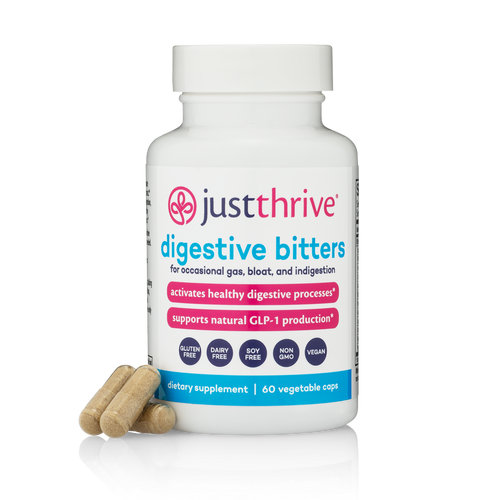
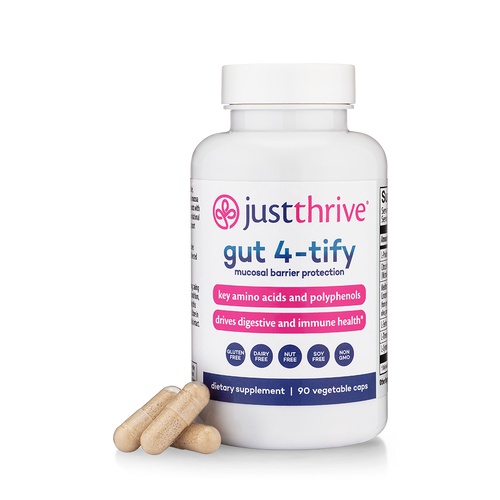

Say Goodbye to Gut Dysbiosis With Just Thrive Probiotic & Prebiotic
Gut dysbiosis occurs when the pathogenic bacteria in your gut microbiome outweigh and outnumber the beneficial bacteria. This can lead to a number of physical, emotional, and mental symptoms. Eventually, dysbiosis can lead to more serious health issues.
And while most people have gut dysbiosis, you don’t have to be one of them.
Maintaining the proper diet while making some lifestyle changes, and most importantly, adding Just Thrive Probiotic and Prebiotic supplements to your health regimen can help you balance your microbiome so you can say goodbye to gut dysbiosis.
The spores in Just Thrive have been successfully used to enhance digestive health in the progressive health and wellness space for more than 50 years, meaning when you choose Just Thrive you can trust that you are getting the very best support on the market!
Lastly but not least, remember that all Just Thrive purchases are COMPLETELY covered by our Bottom of the Bottle, 100% money back guarantee, if for some reason you are not satisfied.
Give Just Thrive Probiotic a try, and if for some reason you don’t see a difference, simply ask for a full refund at any time, even if the bottle is empty!
>> Try Just Thrive Probiotic 100% Risk Free TODAY.

Sources:
- https://www.ncbi.nlm.nih.gov/pmc/articles/PMC6427756/
- https://www.ncbi.nlm.nih.gov/pmc/articles/PMC6722800/
- https://www.webmd.com/digestive-disorders/what-is-dysbiosis
- https://primehealthdenver.com/dysbiosis-diet/
- https://www.ncbi.nlm.nih.gov/pmc/articles/PMC7284805/
- https://www.medicalnewstoday.com/articles/refined-carbs#refined-vs-complex
- https://www.ncbi.nlm.nih.gov/pmc/articles/PMC7146107/
- https://www.frontiersin.org/articles/10.3389/fmicb.2019.03067/full
- https://www.cdc.gov/sleep/about_sleep/how_much_sleep.html
- https://www.ncbi.nlm.nih.gov/pmc/articles/PMC6290721/


