



If you’re suffering with diarrhea, you’re not alone. More than 179 million Americans suffer a bout of diarrhea every year, and millions more struggle with it for months or even years.
Doctors tend to offer standard advice: drink lots of fluids, eat bland foods like rice and bananas, etc.
And though it seems like there are dozens of causes, they all really come down to the same thing: The bacteria in your gut are out of balance.
Quick Answer: Diarrhea is loose, watery stools with frequent bathroom trips, and it comes in four types based on how long it lasts: acute, persistent, chronic, and recurrent. Although causes range from infections and medications to food sensitivities, stress, and artificial sweeteners, they share one common thread: dysbiosis, an imbalance between good and bad gut bacteria. Rebalancing the gut with the right probiotics can help calm diarrhea, and the strain you choose matters. Spore probiotics survive stomach acid to reach the gut alive, where strains such as Bacillus coagulans, Bacillus clausii, Bacillus subtilis HU58, and Bacillus indicus HU36 have been studied for improving stool consistency and easing diarrhea from many causes.
What Are the 4 Types of Diarrhea?
The four types of diarrhea are separated by how long they last: acute (14 days or less), persistent (about two weeks to a month), chronic (longer than 30 days), and recurrent (returning after a diarrhea-free stretch). Acute is by far the most common.
The different types of diarrhea are separated by time. While they all start with loose stools and extra trips to the bathroom, the difference is in how long they last.
- Acute diarrhea lasts for 14 days or less
- Persistent diarrhea lasts for at least two weeks, but no longer than a month
- Chronic diarrhea sticks round for longer than 30 days
- Recurrent diarrhea comes back after you’ve been diarrhea-free for at least a week
Acute diarrhea is the most common type – the kind that everyone experiences from time to time. In most cases, acute diarrhea lasts for a couple of days and goes away without any treatment. But that doesn’t mean you can’t do anything to help yourself feel better even faster.
In fact, the secret to taming acute diarrhea works for all of the other types as well, though it might take a little more time to kick in. That secret is found in your gut microbiome, which is made up of trillions of bacteria, including both good (probiotics) and bad (pathogens) bacteria.
What Triggers Diarrhea and What Are the Symptoms?
Common triggers include infections, medications, food sensitivities, environmental toxins, artificial sweeteners, stress, and chronic conditions. Symptoms typically include loose watery stools, frequent urges, abdominal cramps, gas and bloating, and reduced bowel control. All of these tie back to dysbiosis, an imbalance in gut bacteria.
Let’s face it…we've all been derailed by diarrhea, usually at least once or twice a year. You feel that overwhelming urgency, the cramping and bloating, then make a mad dash for the bathroom.
When that happens, you probably think back about what you’ve eaten over the past few days – a smart move, since food poisoning is a leading cause of diarrhea. But it’s far from the only thing that can set off an episode. Other common causes include
- Viral or bacterial infections
- Many medications, including antibiotics, antacids, antidepressants, cancer drugs, proton pump inhibitors (for heartburn and indigestion)
- Food sensitivities, such as lactose intolerance and gluten intolerance
- Environmental toxins, like glyphosate (weed killer) and pesticides
- Artificial sweeteners
- Stress
- Chronic conditions, including Crohn’s disease, ulcerative colitis, celiac disease, and irritable bowel syndrome (IBS)
While you might not be able to figure out the triggering cause right away, you will definitely recognize the symptoms…
- Loose, watery stools
- Frequent urges to use the bathroom
- Abdominal cramps
- Gas and bloating
- Reduced bowel control
All of those potential causes and the symptoms they trigger have a single common connection: dysbiosis, an imbalance in your gut bacteria.
How Is Diarrhea Connected to Gut Dysbiosis?
Diarrhea is closely tied to dysbiosis, when harmful bacteria outnumber beneficial ones in the gut. The pathogens produce toxins that irritate the intestinal lining and trigger inflammation, and diarrhea itself can worsen the imbalance, creating a cycle. Sending in more probiotics helps break it.
Your gut serves as a home for trillions of bacteria – your gut microbiome. When your microbiome is in healthy balance, the beneficial (probiotic) bacteria vastly outnumber the harmful (pathogenic) bacteria. But every day, those good bacteria face threats (like contaminated food and pesticides) that can kill them off, giving the bad bacteria a chance to take over.
Dysbiosis occurs when pathogens outnumber probiotics – but it’s not just a population issue. Pathogenic bacteria cause all sorts of problems in your gastrointestinal (GI) system because they produce harmful toxins. These toxins can injure the protective barrier lining your intestines and cause inflammation in your gut and throughout your body.
When your gut microbiome gets imbalanced, your body often responds with diarrhea (and sometimes other forms of GI distress, like constipation). And the diarrhea itself often increases dysbiosis, causing a continuing cycle of discomfort.
Rebalancing your gut by sending in more probiotics can help clear up diarrhea. The key to success lies in which probiotic supplement you use.
What Are the Best Probiotic Strains for Diarrhea?
Spore-based Bacillus probiotics are well suited to diarrhea because their protective shell lets them survive digestion and reach the gut alive. Four strains studied for this are Bacillus coagulans, Bacillus clausii, Bacillus subtilis HU58, and Bacillus indicus HU36.
When it comes to quickly rebalancing the gut microbiome and stopping diarrhea, some strains of probiotic bacteria work more effectively than others. Among the best choices? Spore probiotics, which – because of their protective outer “shell” - easily survive the harsh environment of the digestive system, actually arriving alive to your gut, ready to fight against the bad bacteria.
When you’re struggling with diarrhea – whether it’s acute, chronic, or recurrent – these are the four spore probiotics you want on your side:
Bacillus coagulans has been shown to:
- improve diarrhea symptoms and quality of life (read more)
- decrease gas, bloating, and abdominal discomfort (read more)
- reduce GI discomfort, calm gut inflammation, and boost mood (read more)
- decrease diarrhea symptoms from a wide variety of causes, including antibiotics, IBS, and food poisoning (read more)
Bacillus clausii safely and effectively helps ease diarrhea for any age person.
- One new clinical trial showed that clausii safely improved stool consistency, reduced frequency, and cleared up diarrhea more quickly in children aged 6 months to 5 years old.
- A recent meta-analysis of six clinical trials found that clausii reduced stool frequency and stopped diarrhea sooner than other interventions. (read more)
- clausii works just as effectively in adults to substantially reduce diarrhea symptoms, frequency, and duration (read more)
Bacillus subtilis HU58 produces more than two dozen natural antibiotic compounds that can kill off pathogenic bacteria, including E. coli and Salmonella, two common causes of food poisoning. Plus, B. subtilis effectively fights diarrhea in animals and people. (read more about that)
Bacillus indicus HU36 produces powerful antioxidants right in your GI tract – where you body can best use them – that can stop the toxic by-products of pathogenic bacteria from doing damage.
| Spore strain | What studies have looked at |
|---|---|
| Bacillus coagulans | Diarrhea symptoms and quality of life; less gas, bloating, and discomfort; diarrhea from antibiotics, IBS, and food poisoning |
| Bacillus clausii | Stool consistency and frequency in children and adults; faster resolution of diarrhea in clinical trials |
| Bacillus subtilis HU58 | Production of natural antibiotic compounds active against pathogens like E. coli and Salmonella |
| Bacillus indicus HU36 | Production of antioxidants in the GI tract that may counter toxic by-products of pathogenic bacteria |
Frequently Asked Questions About Diarrhea
What causes diarrhea?
Diarrhea can be set off by infections, certain medications (including antibiotics and antacids), food sensitivities, environmental toxins, artificial sweeteners, stress, and chronic conditions. What these have in common is that they disrupt the balance of bacteria in your gut.
How long does diarrhea usually last?
Acute diarrhea, the most common type, often clears within a couple of days on its own. Persistent diarrhea lasts about two weeks to a month, chronic diarrhea longer than 30 days, and recurrent diarrhea returns after a diarrhea-free period.
Can probiotics help with diarrhea?
Rebalancing the gut microbiome with probiotics can help calm diarrhea. The strain matters: spore-based Bacillus probiotics survive stomach acid and reach the gut alive, where several strains have been studied for improving stool consistency and frequency.
What is dysbiosis?
Dysbiosis is an imbalance in the gut microbiome where harmful bacteria outnumber beneficial ones. It is the common thread behind most diarrhea triggers, and it can be made worse by diarrhea itself.
When should I see a doctor about diarrhea?
If diarrhea is severe, lasts more than a few days, or comes with signs of dehydration, blood, or high fever, it is best to check with a healthcare provider. This article is educational and not a substitute for medical advice.
Conquer Constipation with Just Thrive Probiotic
Just Thrive Gut Health Products

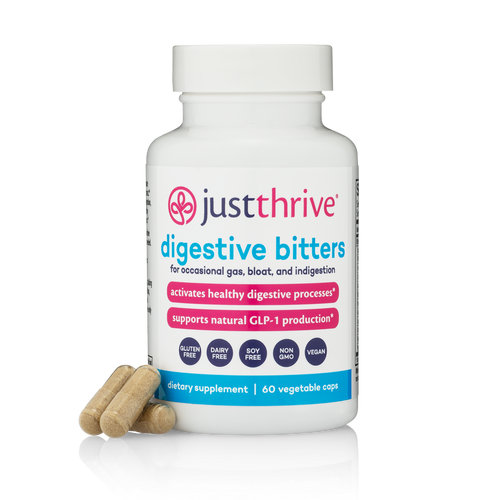
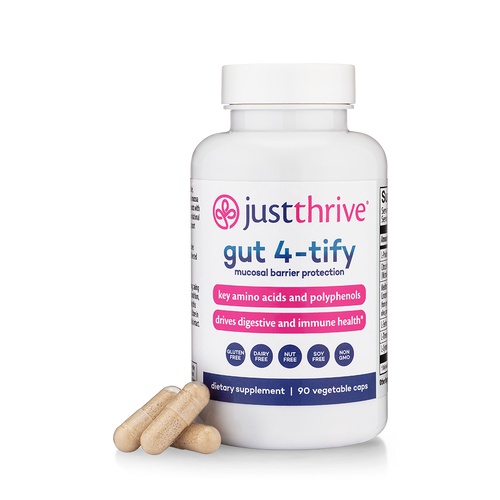

You can find all four of these diarrhea-fighting superstars in Just Thrive Probiotic, a unique combination of the spore probiotics you need to keep your gut in perfect balance.
Try Just Thrive Probiotic today and save up to 25% OFF


