



Your energy feels different. You're suddenly more hungry between meals. Your doctor is keeping a closer eye on your metabolic health. And yet, you get reassuring blood sugar results at your annual checkup.
So what’s really going on?
Your blood sugar is only a number, a snapshot. And behind that number, your pancreas might be working overtime to help keep your glucose level within a healthy range, particularly if your cells are becoming less sensitive or responsive to insulin.
These metabolic changes can be easy to miss in their early stages.
That’s why understanding the relationships between insulin, the pancreas, and the gut microbiome can provide useful context about your metabolic health, beyond looking at a blood glucose result alone.
What Does a “Normal” Blood Sugar Reading Actually Tell You?
A “normal” blood sugar reading indicates that the amount of glucose in your bloodstream was within a healthy range at the time of the test.1 But it doesn't tell the whole story about how your body regulates glucose.
So a normal reading doesn’t necessarily mean that everything involved in blood sugar regulation is working as it should. The number might look fine, even though the process behind it is changing.
That’s because your body can, and does, adapt its processes to maintain healthy blood sugar levels. This behind-the-scenes effort often starts where you might least expect it: the gut.
How the Standard American Diet Created the Standard American Gut
Everyone’s microbiome, the bacteria living inside your gut, is completely unique. Things like food choices, antibiotic usage, and chronic stress can all influence the microbiome, changing which microbes thrive and what they’re able to do.
The American diet is a prime example of this. We’re often well fed in terms of calories, but not in nutrition, due to processed foods, low-fiber diets, and limited food variety.
The result? We feel full, but our gut bacteria may be going hungry. That’s because many beneficial microbes rely on dietary fiber as their primary fuel source. And when we don’t get enough fiber, these bacteria have less of what they need to survive and thrive.
As helpful fiber-fermenting bacteria decline, the gut environment begins to change in ways that can favor less beneficial bacteria.
What Happens When Good Bacteria Disappear?
When beneficial, fiber-fermenting bacteria decline, the gut microbiome can shift to a state that is less favorable for metabolic health.
A healthy gut is largely oxygen-free. Beneficial bacteria help maintain that environment as they ferment dietary fiber. But if these bacteria decline, more oxygen becomes available. This allows oxygen-tolerant bacteria to flourish. Over time, this can change the balance of the gut microbiome.
Why is this undesirable? Many of the bacteria that thrive in a higher oxygen environment have the potential to produce endotoxins, which may contribute to inflammation if they enter the blood stream and circulate throughout the body.2,3
At the same time, the decline of beneficial bacteria can mean fewer of the compounds that help support metabolic health. Together, these changes can affect three important functions the gut performs in support of healthy blood sugar regulation.
The Three Things Your Gut Stopped Doing
When the gut microbiome loses some (or all) of its beneficial, fiber-fermenting bacteria, it can become less effective at supporting blood sugar regulation in three important ways.
1. Making short-chain fatty acids
When beneficial bacteria ferment dietary fiber, they produce short-chain fatty acids (SCFAs), including acetate, propionate, and butyrate. These compounds act as chemical messengers, interacting with pathways involved in inflammation and metabolic signaling.4 They also help maintain the gut lining, support feelings of fullness, and play a role in signaling processes involved in blood sugar regulation.
When fiber-fermenting bacteria decline, SCFA production may decrease, potentially reducing support for these important processes.
2. Supporting the gut’s own GLP-1 production
GLP-1 is a hormone involved in blood sugar regulation and appetite. Lately, it’s been in the news for its popularity as a weight-loss drug. But your gut actually produces its own supply of this hormone.5 Unfortunately, the modern diet is disrupting this production.
SCFAs help signal the release of GLP-1, another connection between fiber intake and the gut’s role in metabolic health. When fiber intake is low and SCFA production falls, this signaling may be affected, too, leading to a lower production of GLP-1.
3. Maintaining the gut barrier
The gut lining acts as a protective barrier. It lets things like nutrients and water pass through, while helping keep unwanted substances, including bacterial endotoxins, from entering circulation.
Beneficial gut bacteria and the compounds they produce help support this barrier.[6] When the microbiome is disrupted and the barrier becomes more permeable, endotoxins may pass through and contribute to unwanted immune activation.
Together, these changes can leave the body with less support from beneficial microbial compounds and a weaker barrier against endotoxins. That combination helps explain why changes in the gut may have consequences beyond digestion, including added stress on the pancreas.
How Can Gut Changes Make the Pancreas Work Harder?
When the gut microbiome is disrupted, the pancreas may have to step in and work harder to help keep blood sugar within a healthy range. To see why, it helps to start with how blood sugar regulation normally works.
Insulin is a hormone produced by beta cells in the pancreas. It helps move glucose (a simple sugar) from your bloodstream into your cells, where it can be used for energy.7 How well this works depends partly on insulin sensitivity, meaning how responsive your cells are to insulin. When your cells respond readily, a modest amount of insulin can do the job. When they’re less responsive, your body needs more insulin to get the same result.
Your gut also supports this process. It produces compounds that support the signals involved in blood sugar regulation. When the gut microbiome is disrupted, the body may lose some of that support. Lower levels of short-chain fatty acids (SCFAs) and reduced signaling from the gut’s own GLP-1 may mean less help for blood sugar regulation. At the same time, when endotoxins pass through a weakened gut barrier and enter circulation, they can trigger unwanted immune activation. That adds stress to the body’s metabolic system, including the pancreas. With less help from the gut, the pancreas may need to produce more insulin to maintain healthy blood sugar levels.8 That extra demand is where insulin sensitivity comes in: the less responsive your cells are, the harder the pancreas may have to work.
Here’s how that might unfold.
- Normal function: You eat, and your blood sugar rises as food is broken down and enters your bloodstream. Beta cells in the pancreas release insulin to help your cells absorb that sugar for energy and bring your blood sugar back toward its usual range.
- The gut’s role: Beneficial gut bacteria ferment fiber to produce SCFAs, which support the gut lining and help trigger the release of the gut’s own GLP-1. These compounds play a role in the signaling processes involved in blood sugar regulation. A compromised gut environment disrupts this step.
-
Reduced insulin sensitivity: If your cells become less sensitive (responsive) to insulin, your body needs more of it to help regulate blood sugar.
Compensation: With less support from the gut’s natural glucose regulation processes, the pancreas works harder, pumping out higher-than-normal levels of insulin. Your glucose readings may still look normal, even as insulin production increases. - Burnout: Over time, if insulin demand stays consistently high, overworked beta cells can become exhausted or even damaged.9 Eventually, your pancreas might not be able to produce enough insulin to meet your body’s needs. This doesn’t happen the same way or on the same timeline for everyone.
Compensation can help keep your blood sugar level within a healthy range, at least at first. As long as this compensation is working effectively, you may feel the same as always, meaning that changes in insulin sensitivity can go unnoticed.10 But it also means your body is working harder to maintain that balance, which might not be sustainable, long-term.
The result is a body working harder to do the same job. Supporting the gut microbiome may help address some of the underlying factors, starting with the daily habits that help beneficial bacteria thrive.
How to Support a Gut That Supports Your Pancreas
If gut health plays a role in supporting the pancreas, the next step is understanding how to care for the gut itself.
With the modern diet, the gut has changed. But simply adding fiber to a gut that has lost its fiber-fermenting bacteria is like planting seeds in depleted soil.
The goal is to actively rebuild the gut, not just eat better. That means providing beneficial bacteria with the fuel they need, supporting the gut lining, and creating an environment where helpful microbes can thrive.
These everyday habits can help support that process.11–15
- Feed the fermenters. Gradually increase fiber intake and vary its sources, including vegetables, fruits, whole grains, legumes, nuts, and seeds. One common goal is to eat 30 different plant foods a week. Work toward that variety at a pace that feels manageable.
- Add the right types of fiber. Resistant starch, found in foods such as cooked potatoes and rice and slightly green bananas, provides fuel for gut bacteria. Inulin, another type of fermentable fiber, is found in onions, garlic, leeks, and asparagus. Increase fiber gradually to help minimize any potential digestive discomfort.
- Eat polyphenol-rich foods. Berries, cocoa, green tea, and high-quality extra-virgin olive oil contain polyphenols, plant compounds that may support beneficial gut bacteria and the gut lining.
- Reintroduce beneficial microbes. Fermented foods such as yogurt, kefir, kombucha, probiotic yogurt, and sauerkraut can introduce live microbes into your diet. But because most diets don’t contain enough probiotic-friendly foods, a probiotic supplement may also be worth considering.
- Avoid gut barrier offenders. Pesticides and other chemicals, sugar, antibiotics, OTC’s, and alcohol all can weaken the gut barrier, especially through repeat exposure. Prioritize a minimally processed and organic diet and limit alcohol as much as possible. Use antibiotics only when medically appropriate, since they can affect beneficial bacteria too, not just the bad ones they’re intended to target.
- Support your gut through everyday habits. Physical activity helps muscles use glucose for energy, while consistent sleep and stress management support processes throughout the body, including those involved in gut and metabolic health.
- Give it time. The gut microbiome responds to dietary and lifestyle habits, but changes don’t happen overnight. Consistency can help create better conditions for beneficial microbes to thrive.
Another way to support the gut microbiome, pancreas, and blood sugar is with a daily synbiotic supplement, which combines probiotics (beneficial gut bacteria) and prebiotics (which fuel those probiotics).
Where Does good glucose Fit In?
We designed good glucose to support the three gut functions involved in this process: producing short-chain fatty acids (SCFAs), supporting natural GLP-1 signaling, and maintaining the gut barrier. By targeting the gut microbiome, good glucose is designed to help create an environment that supports the pancreas in maintaining healthy blood sugar levels.
In one randomized, double-blind, placebo-controlled clinical study, researchers examined the effects of a synbiotic containing six probiotic species:
- Bifidobacterium bifidum
- Limosilactobacillus reuteri
- Lactiplantibacillus plantarum
- Lacticaseibacillus rhamnosus
- Lacticaseibacillus casei
- Bacillus coagulans
The formulation also included inulin (a prebiotic that helps nourish beneficial bacteria and support metabolite production) and Lactobacillus delbrueckii, a metabiotic component.
After six months, adults with prediabetes who took the synbiotic experienced greater improvements in average blood sugar levels than those who received a placebo. They also showed improvements in measures related to insulin response.16
Good glucose is one part of a broader approach to gut health, alongside a fiber-rich, varied diet and daily habits that support the microbiome. It’s not a replacement for those habits, but another way to support the gut and its role in metabolic health.
While the findings of this study are encouraging, results from one formulation don't necessarily apply to all synbiotic supplements.
Frequently Asked Questions
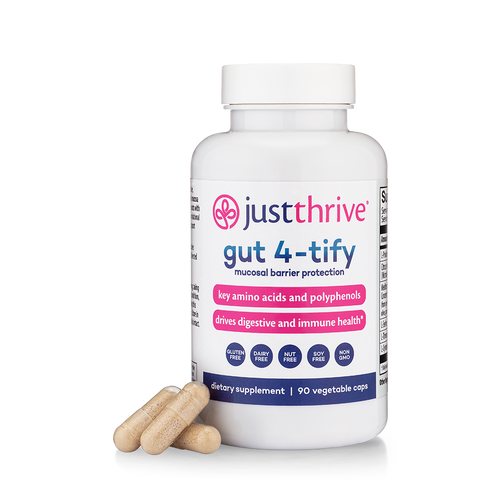
Just Thrive Gut Health Products


Support Healthy Glucose Levels with Just Thrive
A normal blood sugar reading doesn’t always tell the full story of how hard your body is working to regulate glucose. Understanding what’s happening behind the numbers can help you take a more proactive approach with your metabolic health. That’s where targeted microbiome support comes in.
Just Thrive good glucose was carefully formulated with six bacterial strains clinically studied for their potential role in glucose regulation:
- Bifidobacterium bifidum BBi32
- Limosilactobacillus reuteri LR08
- Lactiplantibacillus plantarum LP05
- Lacticaseibacillus rhamnosus LRa05
- Lacticaseibacillus casei LC89
- Bacillus coagulans BC99
Good glucose also contains two prebiotics, inulin and fructooligosaccharide, which provide a food source for the beneficial bacteria that help ferment dietary fiber and a metabiotic derived from Lactobacillus delbrueckii LL-G41 lysate, an ingredient studied in connection with healthy blood sugar levels.
We'll be releasing good glucose soon. But before we do, we are giving it away for FREE!
Five people will win:
- 3 bottles of our new product, good glucose (That’s a full 90-day supply.)
- A 90-day supply of Just Thrive Probiotic
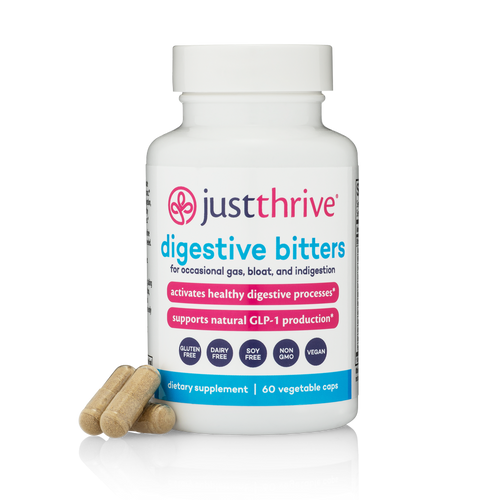
- 3 bottles of Digestive Bitters
Altogether, that’s more than $450 in Just Thrive products!
Enter for your chance to win + get early access to good glucose before it's released to the general public.

- Cleveland Clinic. Blood Glucose (Sugar) Test. Updated February 5, 2025. Accessed October 8, 2026. https://my.clevelandclinic.org/health/diagnostics/12363-blood-glucose-test
- Rolfe RD, Hentges DJ, Campbell BJ, Barrett JT. Factors related to the oxygen tolerance of anaerobic bacteria. Appl Environ Microbiol. 1978;36(2):306-313. doi:10.1128/aem.36.2.306-313.1978
- Urbaschek B, Urbaschek R. The inflammatory response to endotoxins. Bibl Anat. 1979;(17):74-104.
- Li WZ, Stirling K, Yang JJ, Zhang L. Gut microbiota and diabetes: From correlation to causality and mechanism. World J Diabetes. 2020;11(7):293-308. doi:10.4239/wjd.v11.i7.293
- Holst JJ. The physiology of glucagon-like peptide 1. Physiol Rev. 2007;87(4):1409-1439. doi:10.1152/physrev.00034.2006
- Zheng Y, Zhang Z, Tang P, et al. Probiotics fortify intestinal barrier function: a systematic review and meta-analysis of randomized trials. Front Immunol. 2023;14:1143548. Published 2023 Apr 24. doi:10.3389/fimmu.2023.1143548
- Rahman MS, Hossain KS, Das S, et al. Role of Insulin in Health and Disease: An Update. Int J Mol Sci. 2021;22(12):6403. Published 2021 Jun 15. doi:10.3390/ijms22126403
- Karpińska M, Czauderna M. Pancreas-Its Functions, Disorders, and Physiological Impact on the Mammals' Organism. Front Physiol. 2022;13:807632. Published 2022 Mar 30. doi:10.3389/fphys.2022.807632
- Kasuga M. Insulin resistance and pancreatic beta cell failure. J Clin Invest. 2006;116(7):1756-1760. doi:10.1172/JCI29189
- Röder PV, Wu B, Liu Y, Han W. Pancreatic regulation of glucose homeostasis. Exp Mol Med. 2016;48(3):e219. Published 2016 Mar 11. doi:10.1038/emm.2016.6
- Yeh YK, Yen FS, Hwu CM. Diet and exercise are a fundamental part of comprehensive care for type 2 diabetes. J Diabetes Investig. 2023;14(8):936-939. doi:10.1111/jdi.14043
- Darraj A. The Link Between Sleeping and Type 2 Diabetes: A Systematic Review. Cureus. 2023;15(11):e48228. Published 2023 Nov 3. doi:10.7759/cureus.48228
- Plamada D, Vodnar DC. Polyphenols-Gut Microbiota Interrelationship: A Transition to a New Generation of Prebiotics. Nutrients. 2021;14(1):137. Published 2021 Dec 28. doi:10.3390/nu14010137
- Fu J, Zheng Y, Gao Y, Xu W. Dietary Fiber Intake and Gut Microbiota in Human Health. Microorganisms. 2022;10(12):2507. Published 2022 Dec 18. doi:10.3390/microorganisms10122507
- Rondinella D, Raoul PC, Valeriani E, et al. The Detrimental Impact of Ultra-Processed Foods on the Human Gut Microbiome and Gut Barrier. Nutrients. 2025;17(5):859. Published 2025 Feb 28. doi:10.3390/nu17050859
- García G, Campos MdC, Soto J, Diaz A, Buchaca E, Martínez D, Bernal M, Escobar V, Rodríguez L, Valdés E, et al. Effects of the Synbiotic Formulation EDC-HHA01 on Glucose Regulation in Adults with Type 2 Diabetes and Prediabetes: A Randomized, Placebo-Controlled Study. Microorganisms. 2026; 14(4):749.


